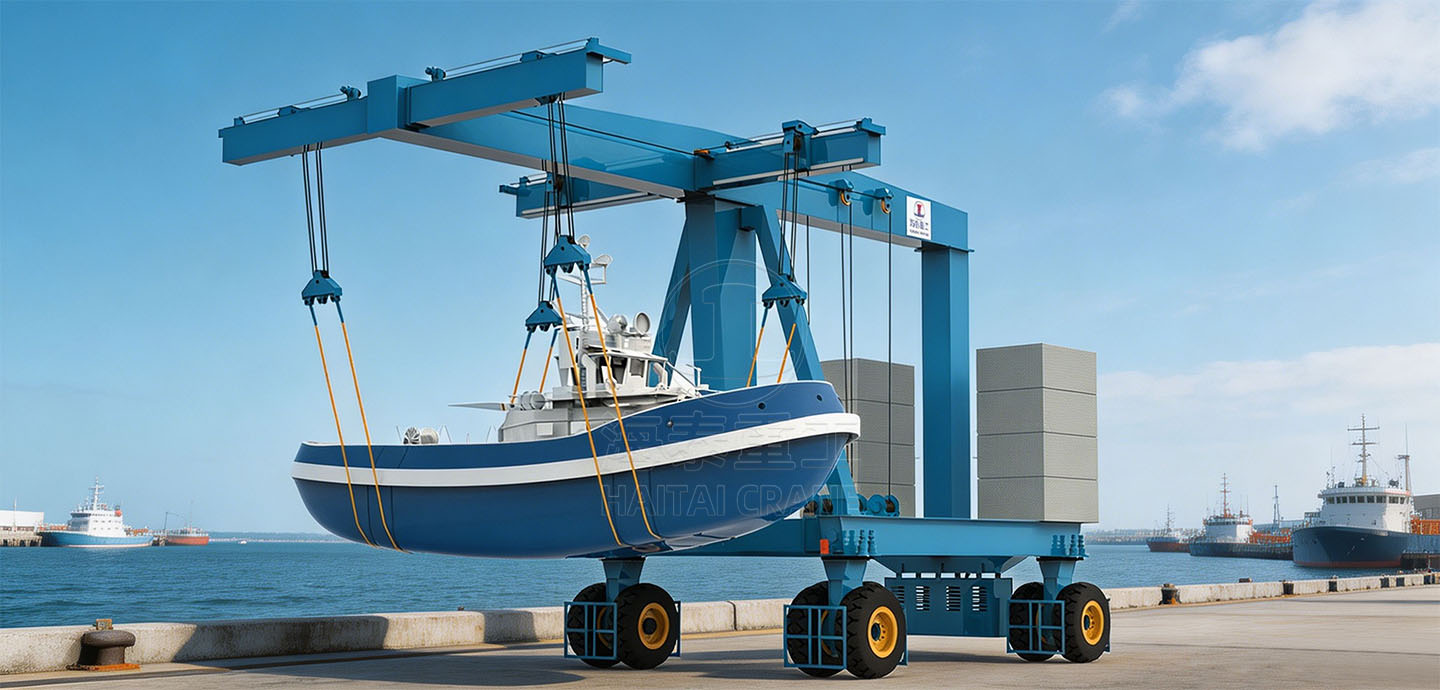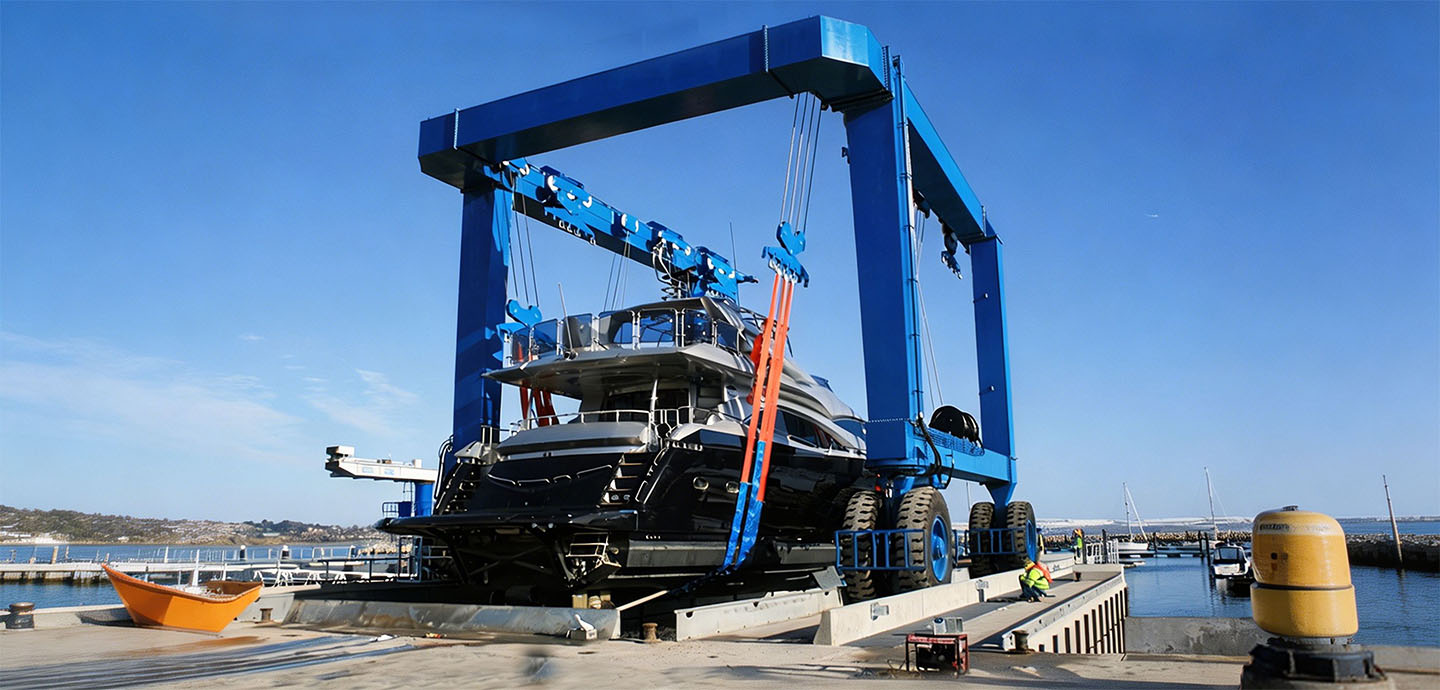
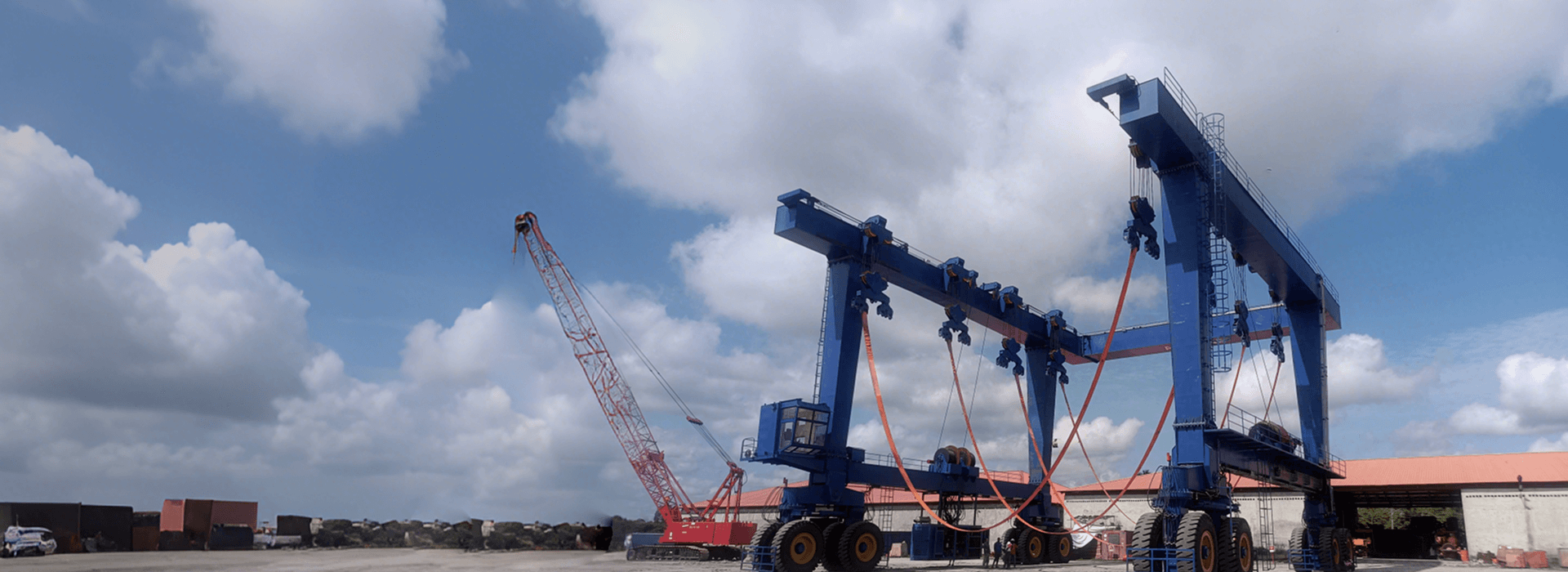
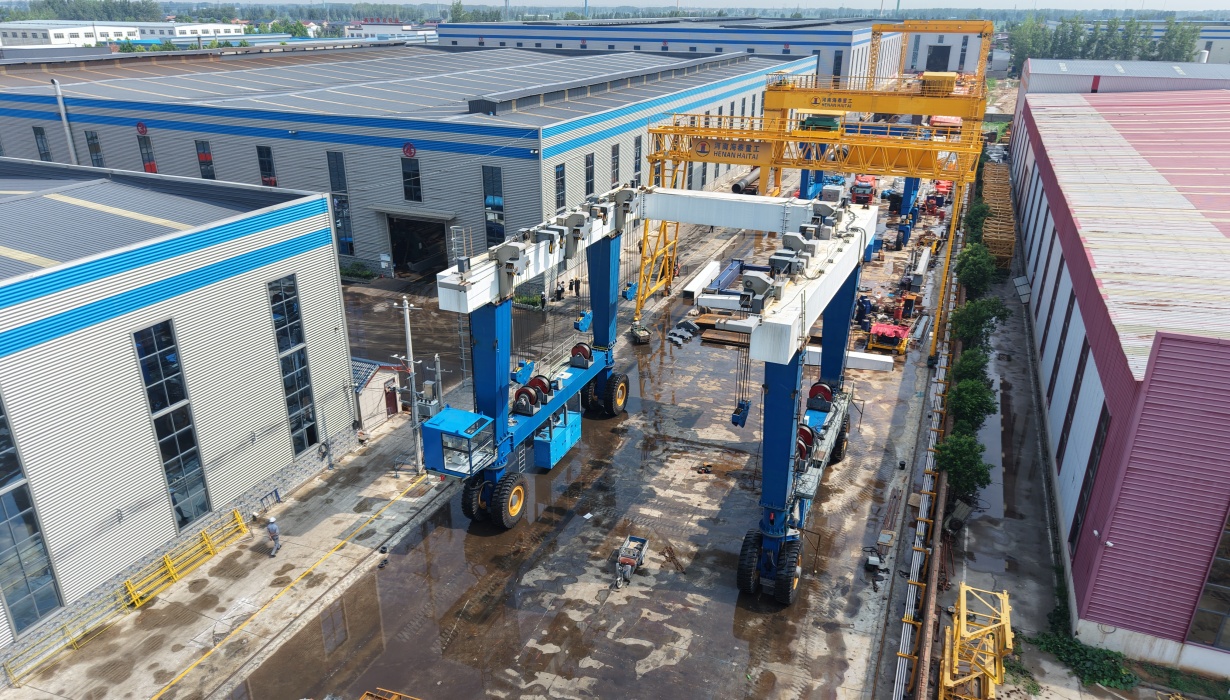
The 300 ton marine travel lift is primarily designed for lifting, launching and hauling out, yard transfer, and maintenance relocation of medium and large yachts and vessels. It is an important heavy-duty handling solution that connects vessel construction, repair, and marina operations.
With a rated lifting capacity of 300 tons, this travel lift is designed around the practical handling requirements of mainstream medium and large yachts and workboats. While meeting the day-to-day lifting and transfer needs of vessels, the 300 ton model offers a more economical option than higher-capacity travel lifts in terms of initial investment, site adaptability, and daily operating costs. It provides shipyards and yacht marinas with moderate business volumes a practical solution that balances lifting capacity with overall operating costs.
The 300 ton rated lifting capacity covers the handling requirements of a wide range of medium and large yachts, workboats, and special-purpose vessels. The equipment uses a hydraulic synchronized lifting system, with multiple lifting points working together to maintain stable load distribution while the vessel is being lifted and transferred.
For operators who regularly need to launch and haul out vessels, move them within the shipyard, or relocate them for maintenance, the 300 ton marine travel lift can reduce reliance on fixed lifting equipment and conventional transportation methods, while providing greater flexibility for vessel handling operations.
The equipment features a self-propelled rubber-tired travel system and does not require fixed rails. Its travel direction and working position can be adjusted according to the requirements of each operation.
After a yacht is hauled out or a vessel is brought ashore, the travel lift can move it from the marina or dock area to a maintenance workshop, storage area, or designated berth. It can also work alongside the shipyard’s internal production process to transfer vessels between different working areas.
This type of mobile handling system is particularly suitable for shipyards and yacht marinas where site layouts change frequently or vessel transfer routes are more complex.
For large vessels, maintaining balanced loads at the lifting points is directly related to the safety of the vessel during lifting operations. The 300 ton marine travel lift uses hydraulic lifting and synchronization control technology, allowing the lifting points to be coordinated according to the vessel’s dimensions, weight, and specific lifting conditions.
During vessel hauling out, launching, and maintenance relocation, the equipment maintains good synchronization between the lifting points, helping to reduce the operational risks associated with vessel tilting and uneven load distribution. This provides a stable equipment foundation for the safe transfer of medium and large vessels.
The 300 ton marine travel lift is not limited to yacht handling. It can also be used across a variety of vessel construction and repair operations, including:
By matching the appropriate lifting accessories and auxiliary configurations, the equipment can be adjusted to suit different vessel types and specific operating requirements.
For customers with a moderate volume of vessel handling operations, a larger lifting capacity is not necessarily a better choice. Oversized equipment can increase the initial purchase cost while also resulting in higher energy consumption, greater site requirements, and increased maintenance costs.
The 300 ton marine travel lift is sized around actual operational requirements. It meets the lifting and transfer needs of medium and large vessels while helping control equipment investment and day-to-day operating costs. For shipyards and yacht marinas looking to improve vessel turnaround efficiency while maintaining a reasonable return on equipment investment, it offers a more targeted and cost-conscious solution.
Shipyards, marinas, and vessel repair facilities can differ significantly in terms of vessel types, site conditions, road widths, transfer routes, and operating frequency. For this reason, the 300 ton marine travel lift is not limited to a single standard configuration. Instead, its design can be tailored to the actual conditions of each project.
Based on parameters provided by the customer, such as maximum vessel weight, hull dimensions, lifting point locations, working area, and transfer routes, Haitai Crane can design the gantry structure, leg dimensions, wheel arrangement, lifting system, control system, and overall equipment dimensions to better suit the actual working environment.
Haitai Crane specializes in the development, manufacturing, and service of heavy lifting equipment and marine material handling equipment. For yacht and vessel handling applications, we offer marine travel lifts in different lifting capacities and provide customized engineering solutions based on each customer’s actual operating conditions.
All products are designed and manufactured in accordance with relevant international standards and meet ISO and CE requirements. For overseas markets and different project requirements, Haitai Crane can provide on-site commissioning worldwide, installation guidance, technical support, and full-lifecycle after-sales service.
From initial solution design and equipment manufacturing to on-site commissioning and ongoing technical support, we are committed to providing complete vessel handling solutions for shipyards, yacht marinas, and ship repair facilities around the world.
With a rated lifting capacity of 300 tons at its core, the 300 ton marine travel lift achieves a practical balance between lifting capacity, flexible vessel transfer, operational adaptability, and equipment investment. For shipyards and marinas mainly serving medium and large yachts, workboats, and special-purpose vessels, it can cover key operations including hauling vessels out of the water, launching, yard transfer, and maintenance relocation.
With self-propelled rubber-tired travel, hydraulic synchronized lifting, and project-specific customization, the equipment can adapt more effectively to different vessel handling environments. It provides customers with reliable support for improving vessel transfer efficiency, streamlining yard operations, and controlling long-term operating costs.