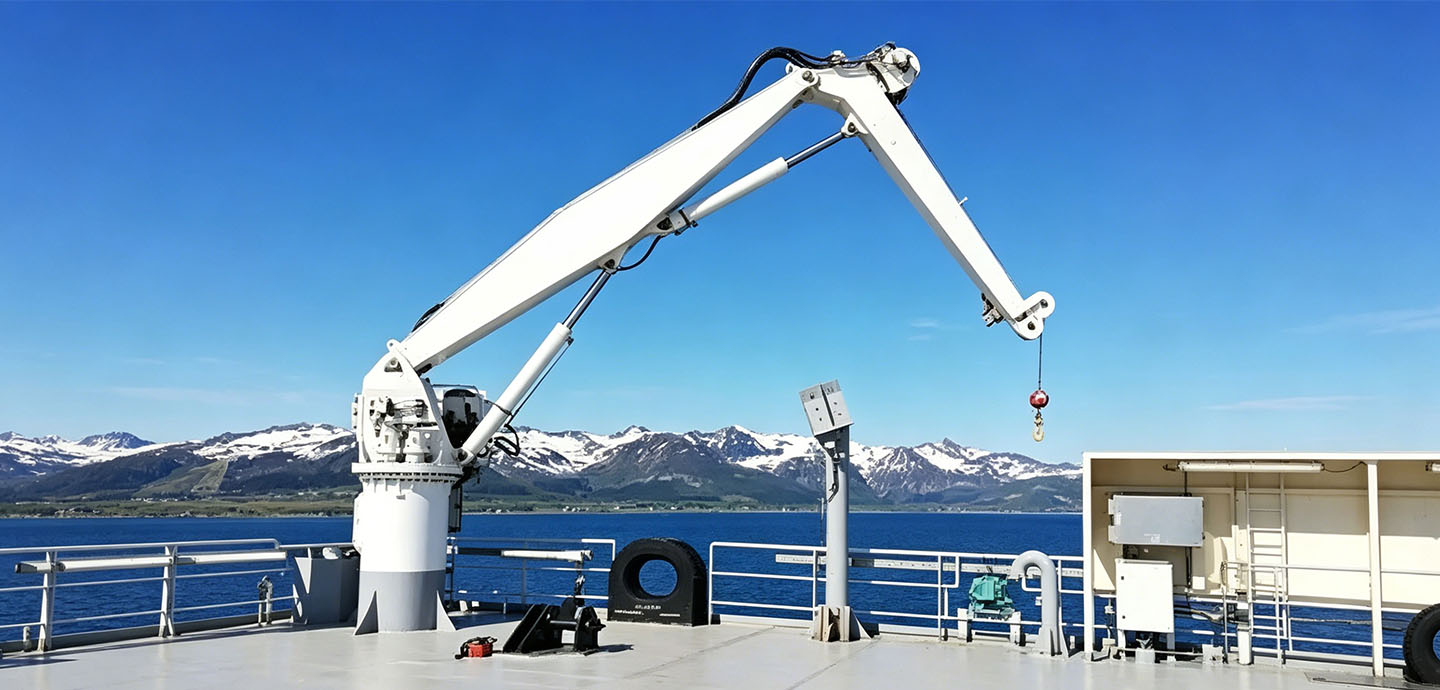
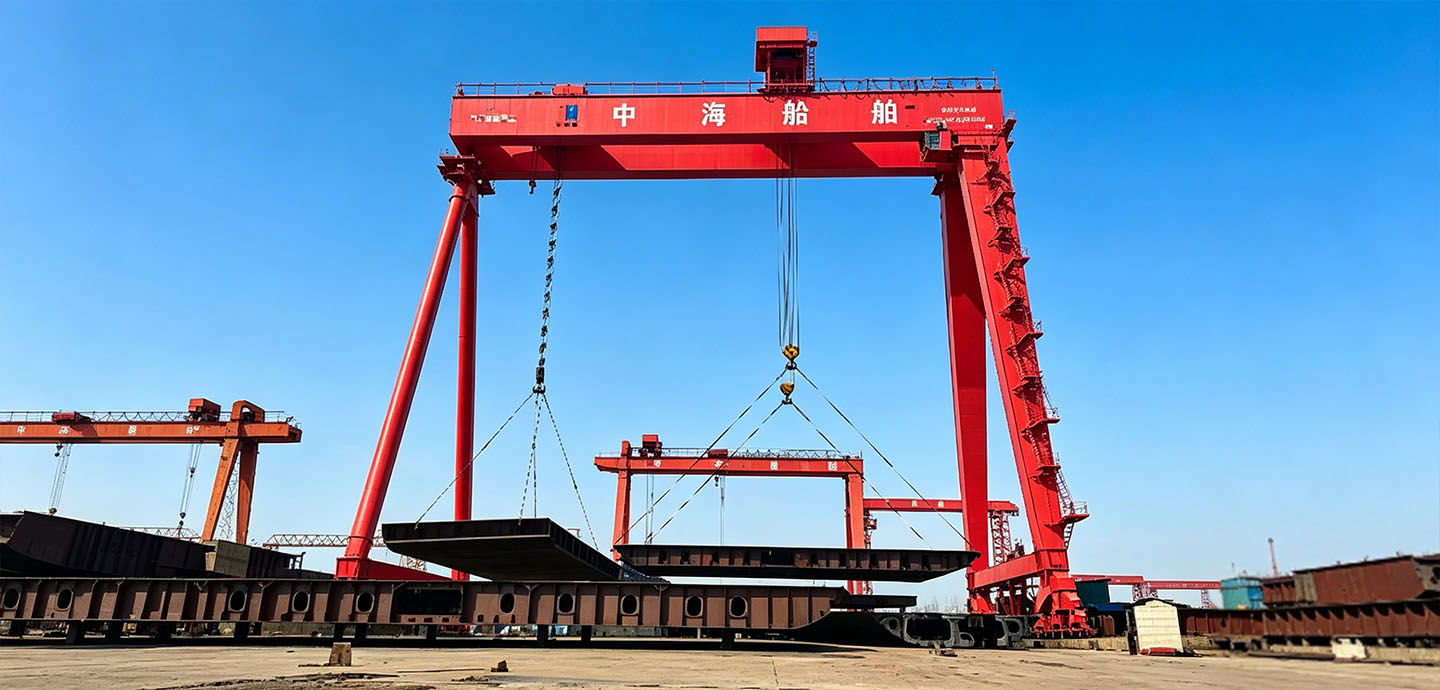
Portal Crane

Lifting Capacity: 10~80t
Working Radius: 2.5~40m
Lifting Height: 5~40m (above rail), 5~30m (below rail)
Lifting Speed: 25~60m/min
Luffing Speed: 30~50m/min
Slewing Speed: 1.5r/min
Traveling Speed: 15~30m/min

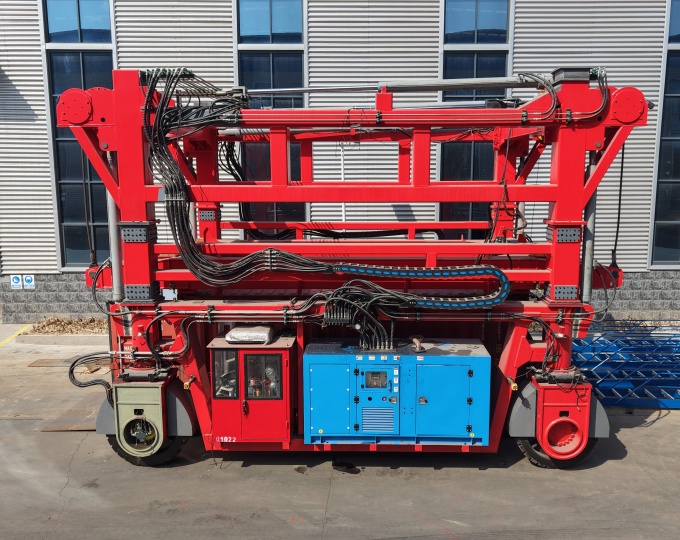
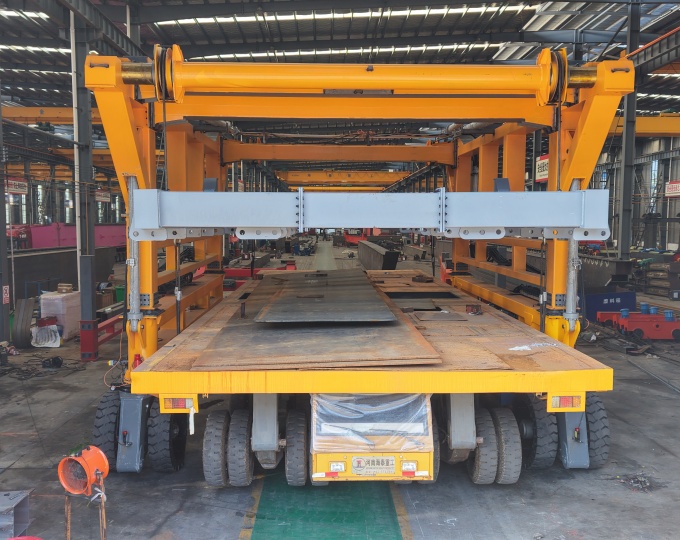
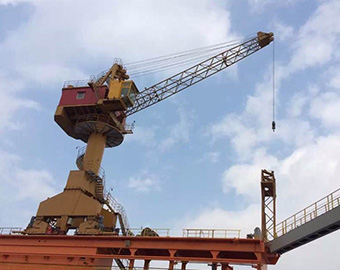
Types of Portal Crane We Supply

What is a Portal Crane?
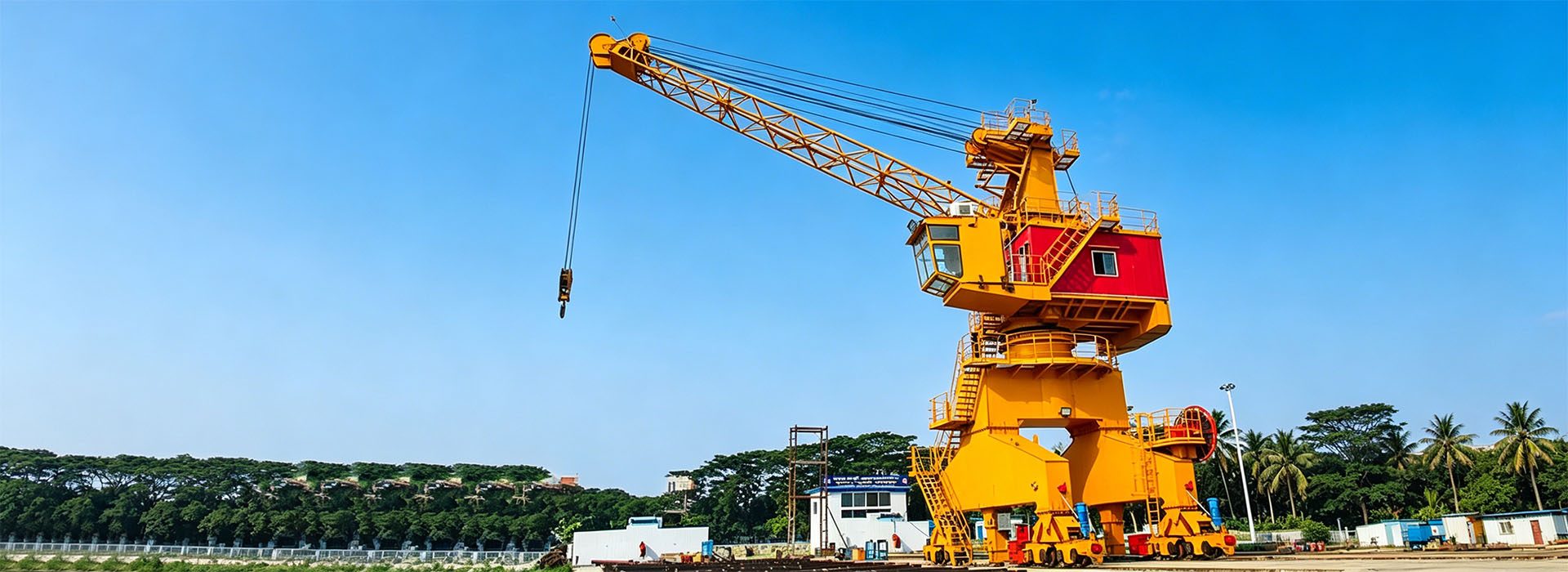
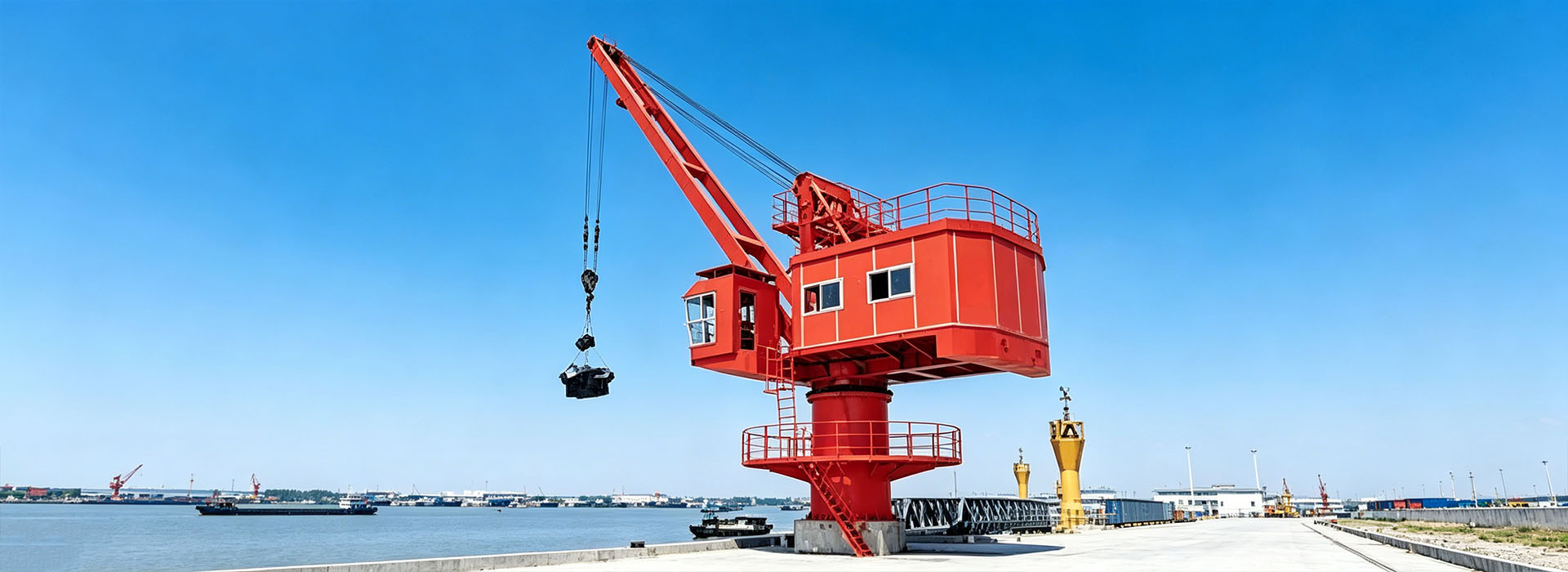
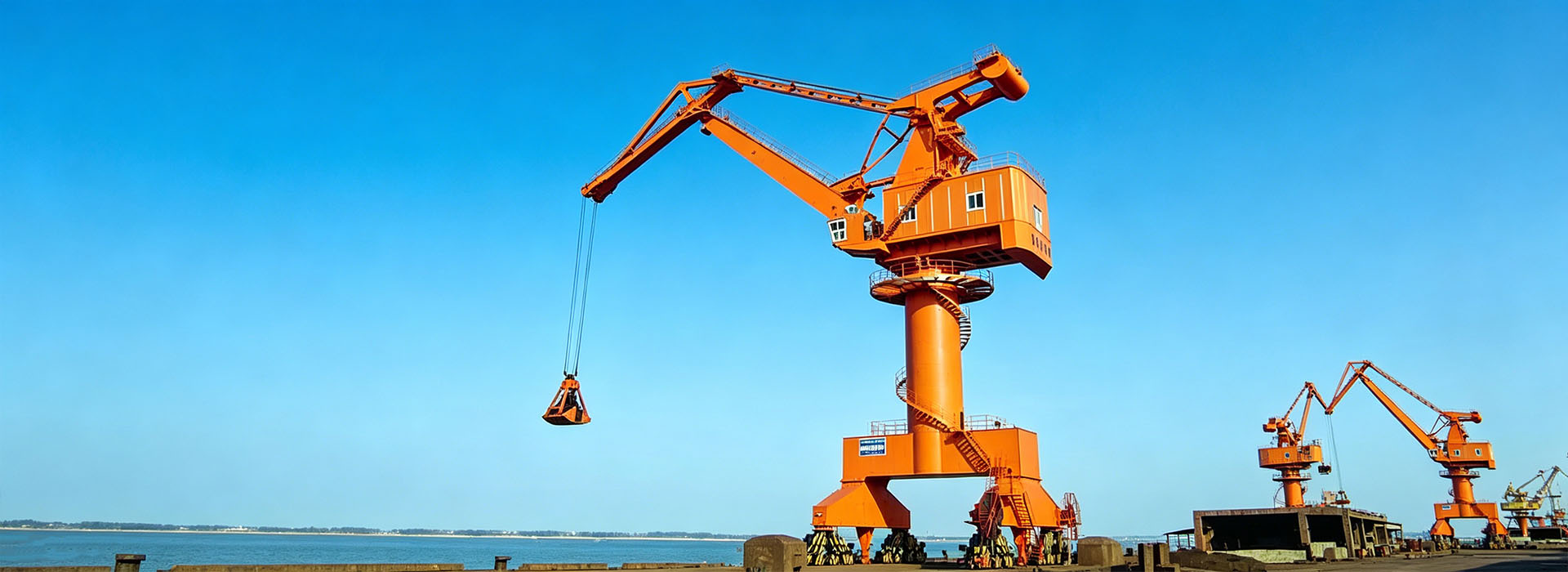
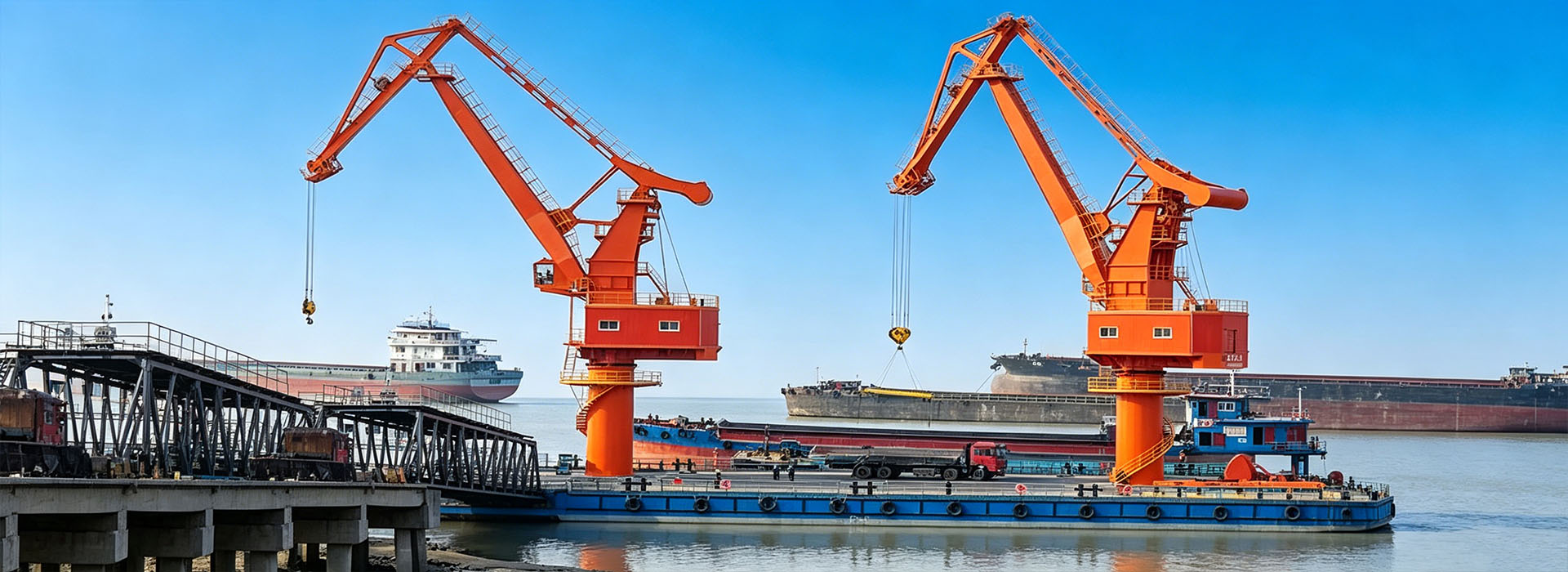
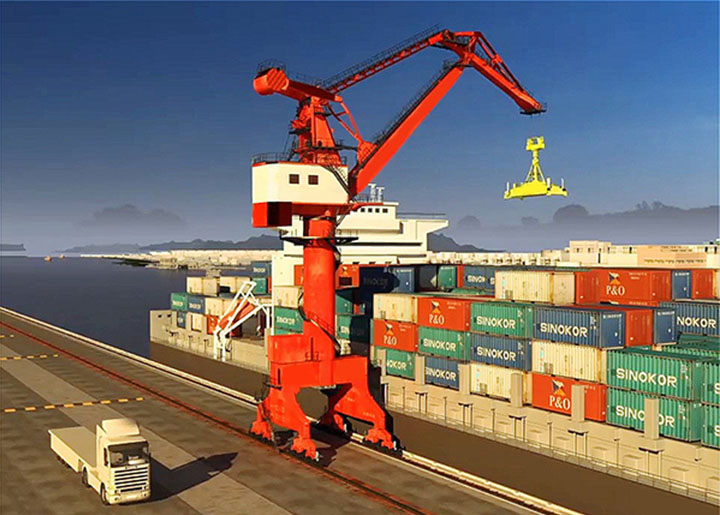
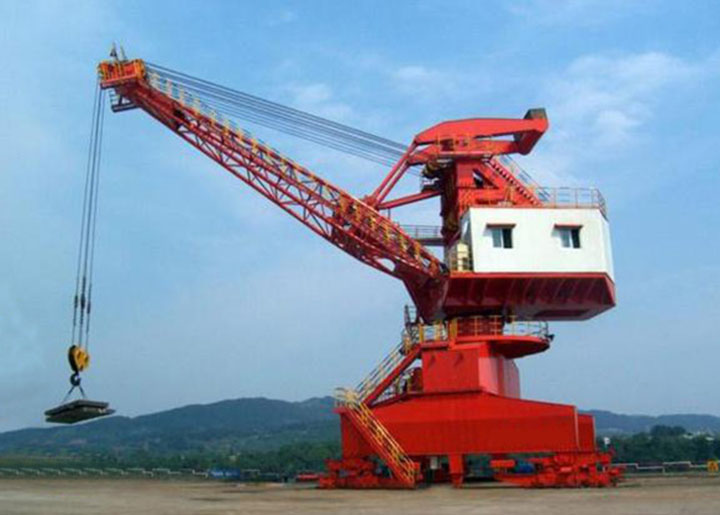
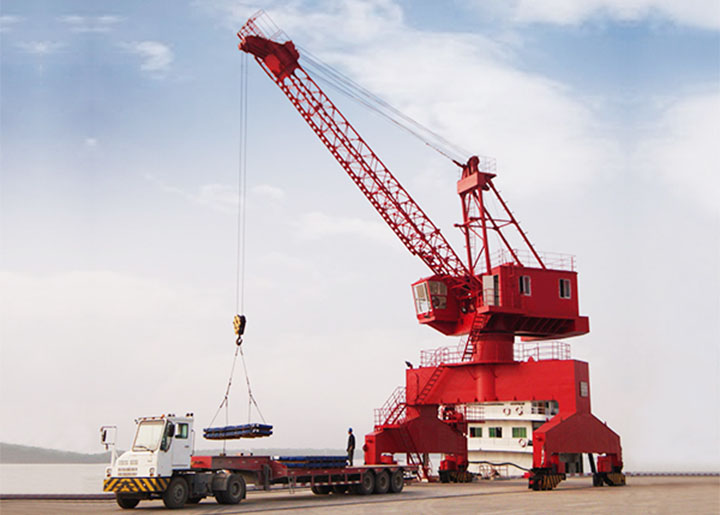
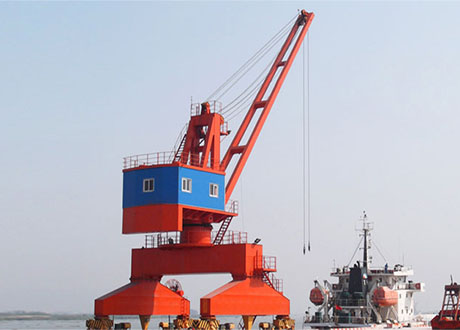
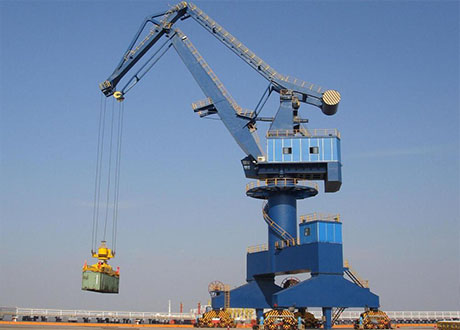
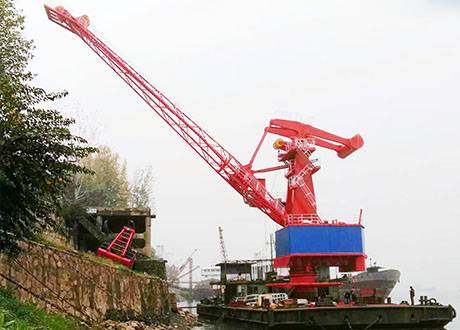
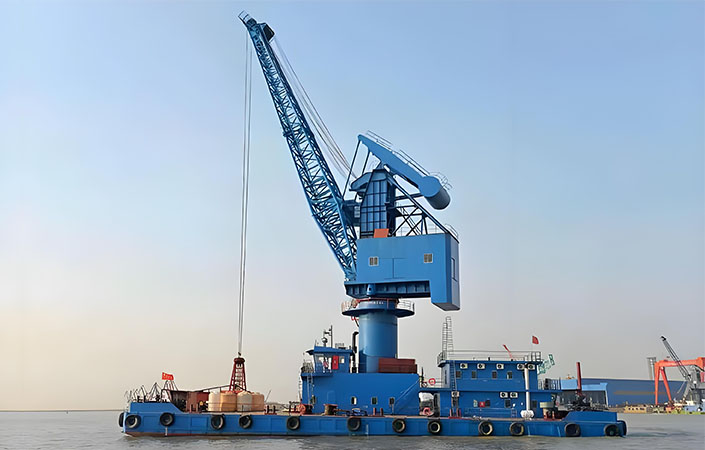
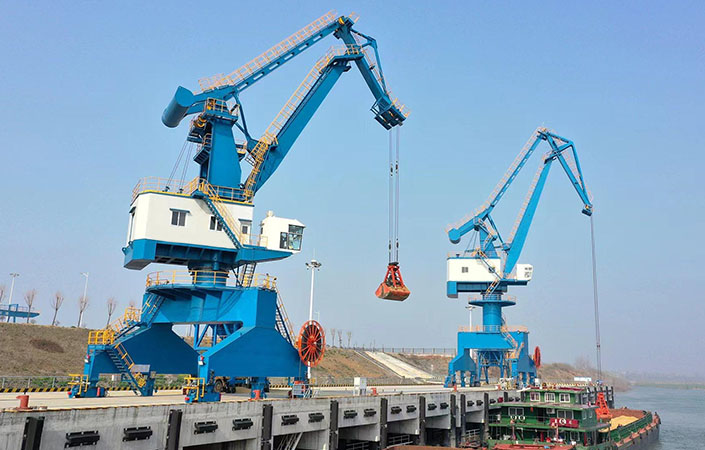
Portal Crane is mainly used for loading and unloading goods of dock and port, which equipped with spreader beam or hook to lift container or goods. The arm of the harbour crane can achieve rotation and amplitude. The portal crane generally has fixed and movable models with large operating radius, strong adaptability.

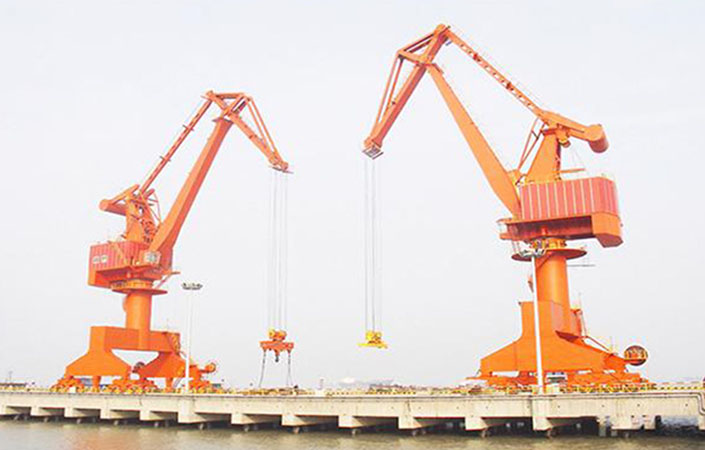
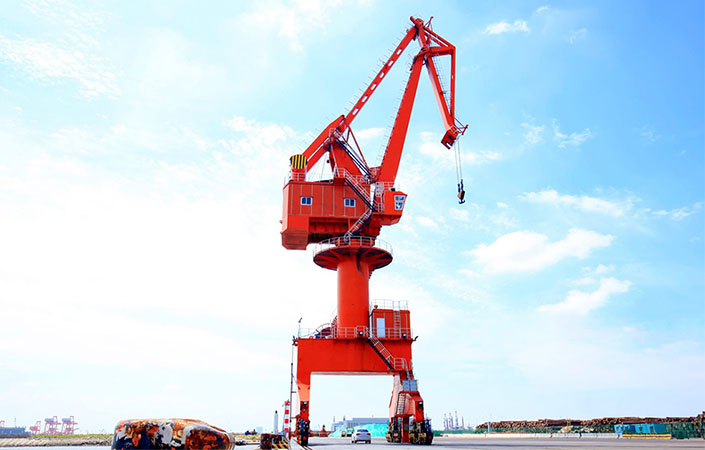
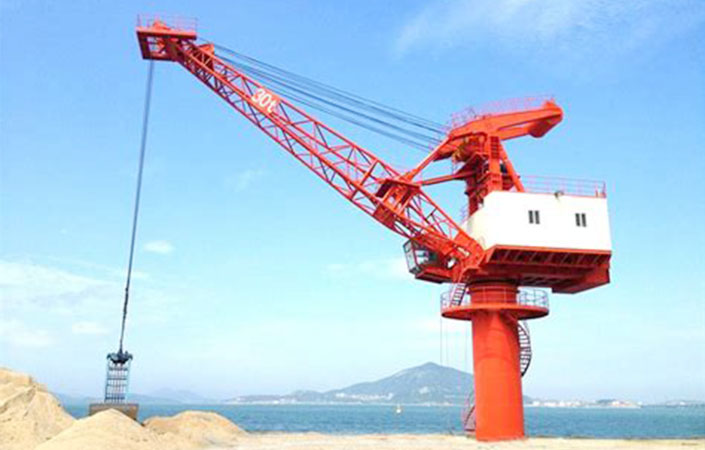
The portal cranes are versatile and efficient lifting machines used in various industrial applications, including ports, rail yards, and construction sites. There are some common port crane types: Single Jib Portal Crane, Four-Link Portal Crane and Floating Crane, each with unique designs and functionalities.
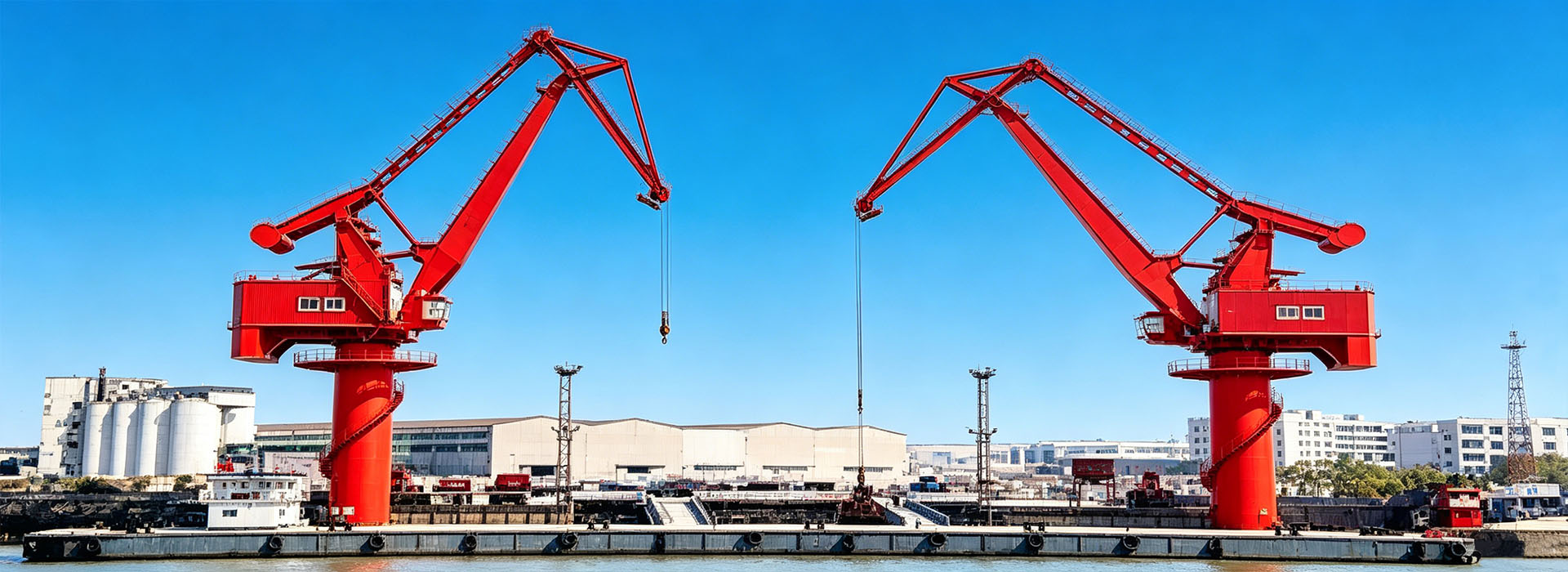
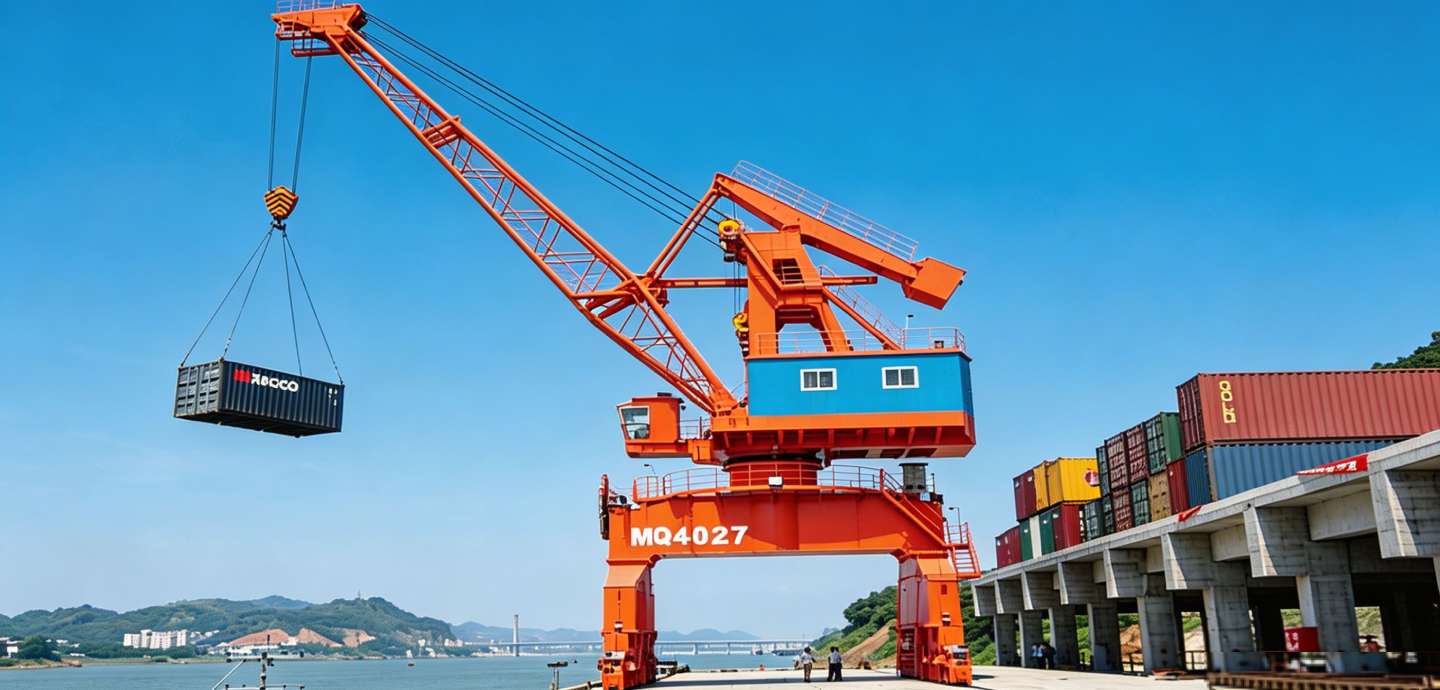
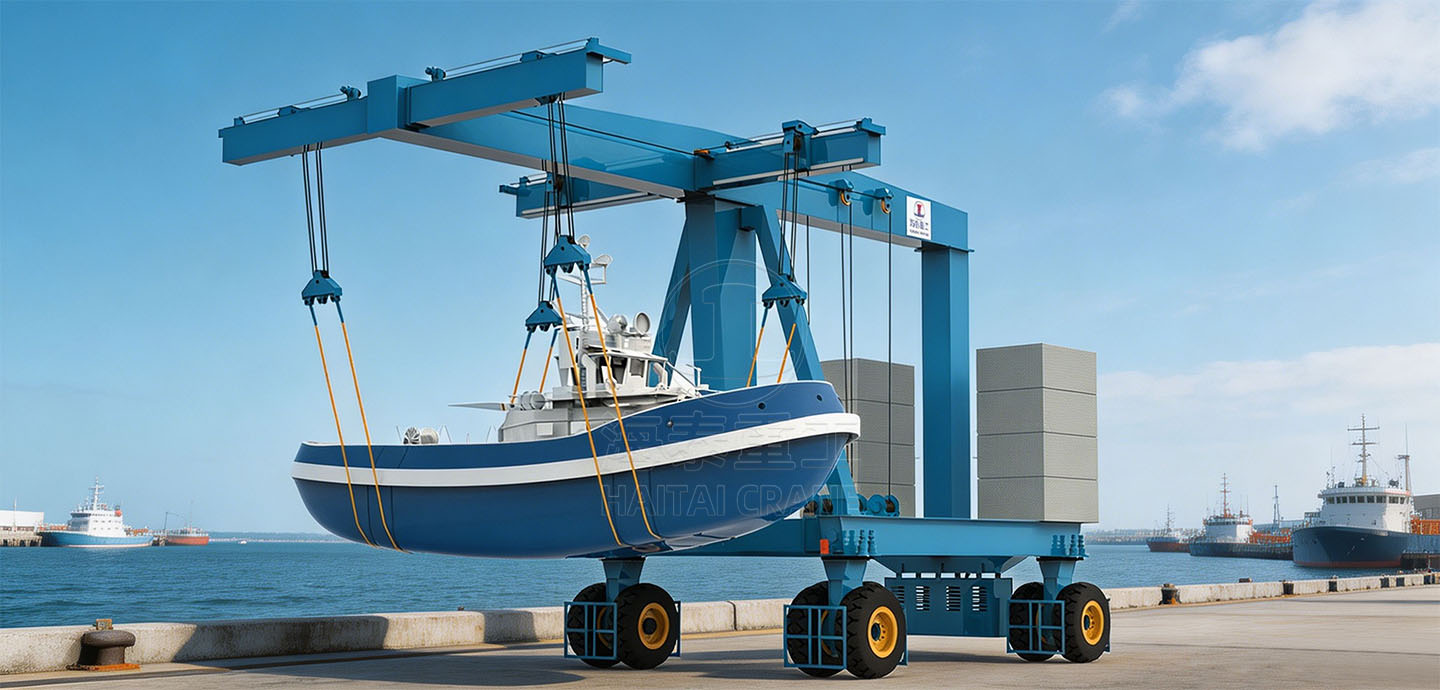
Single Jib Portal Crane

Portal Jib Crane

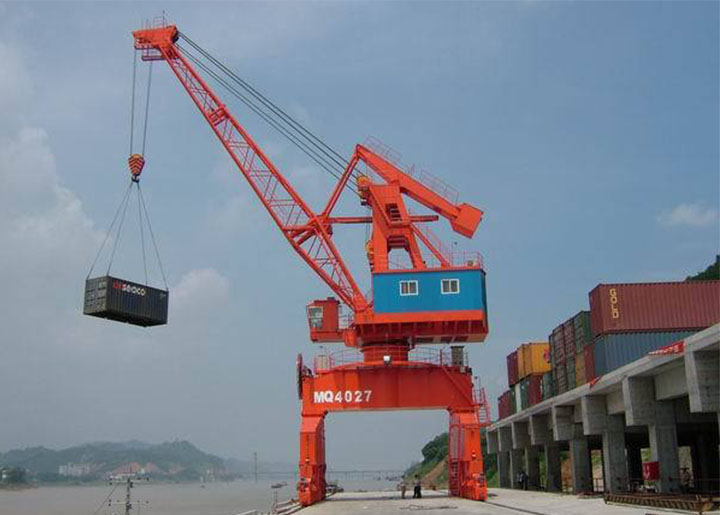
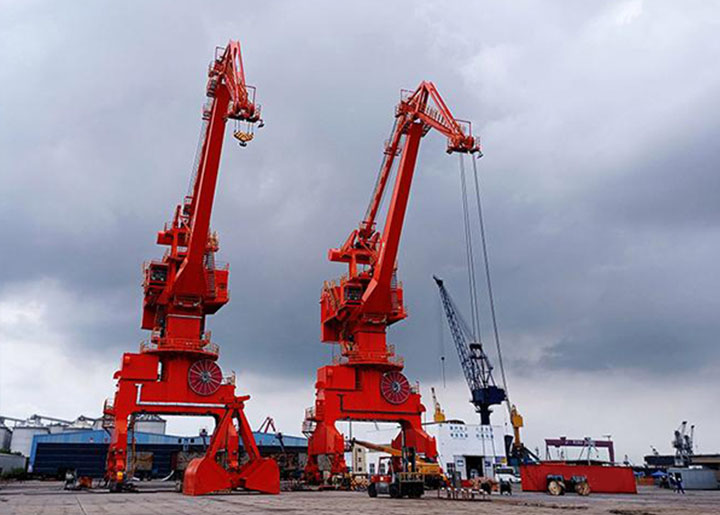
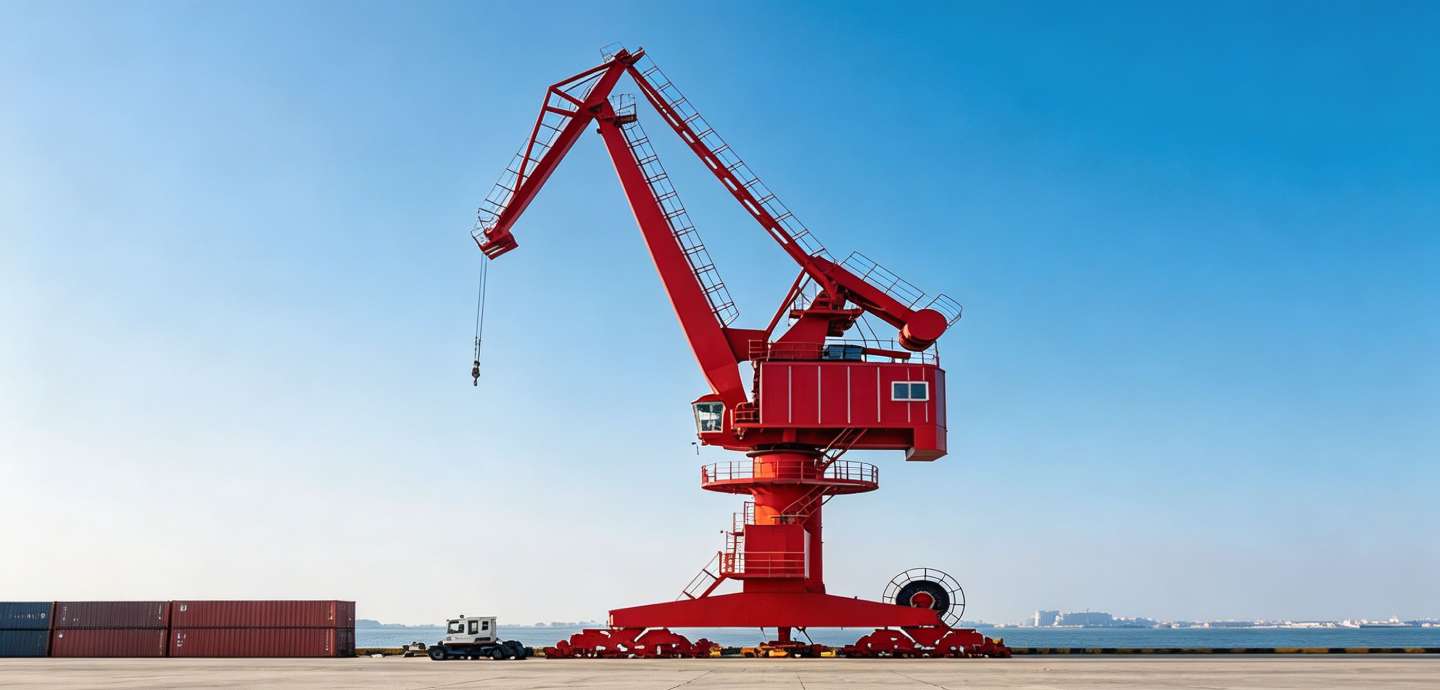
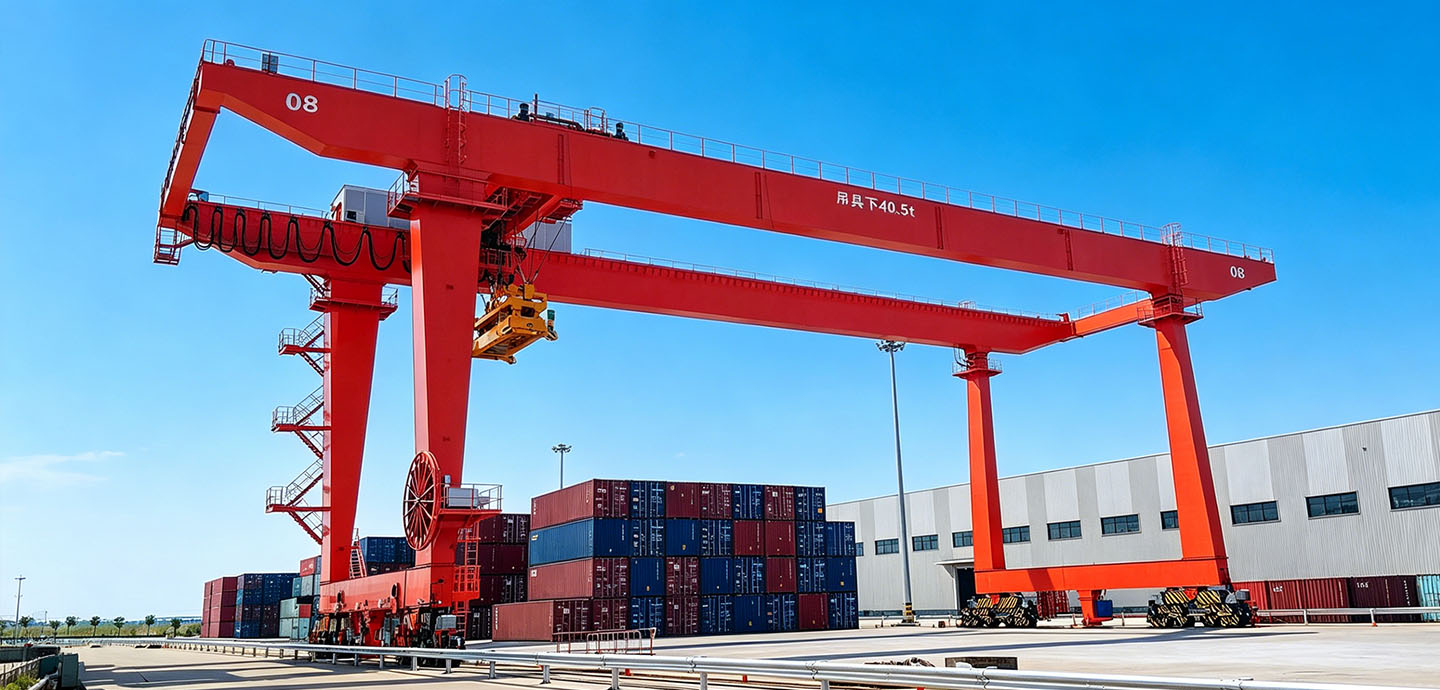
Four Link Portal Crane

Four Link Portal Crane

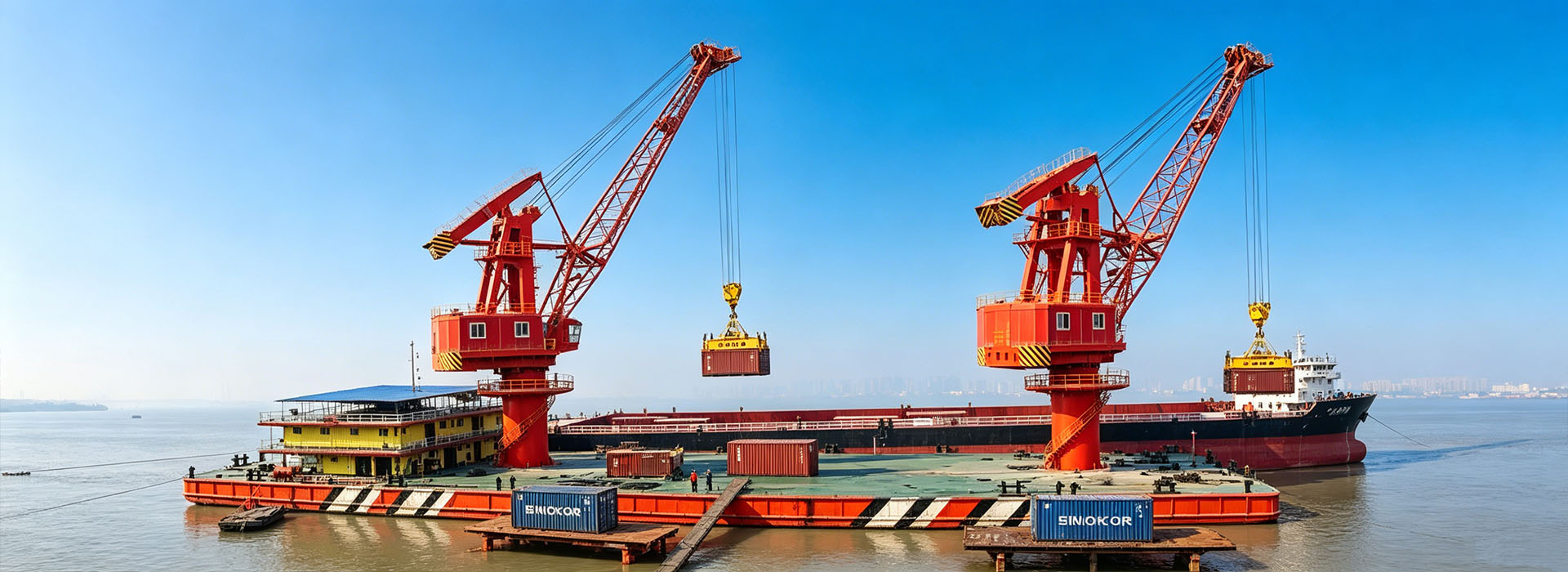
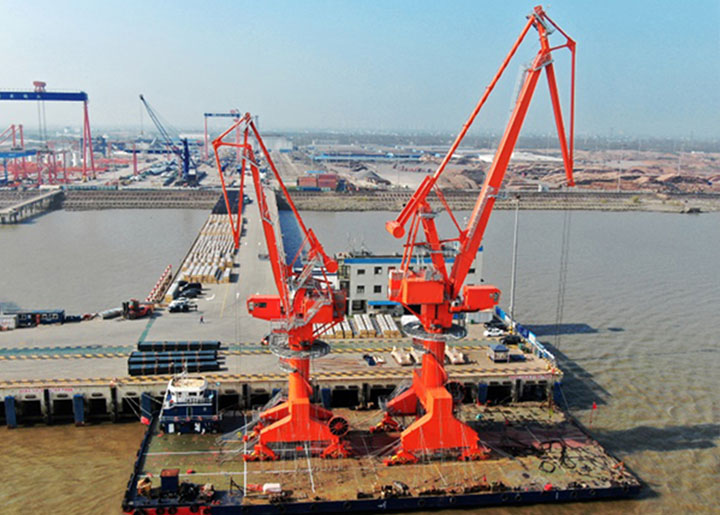
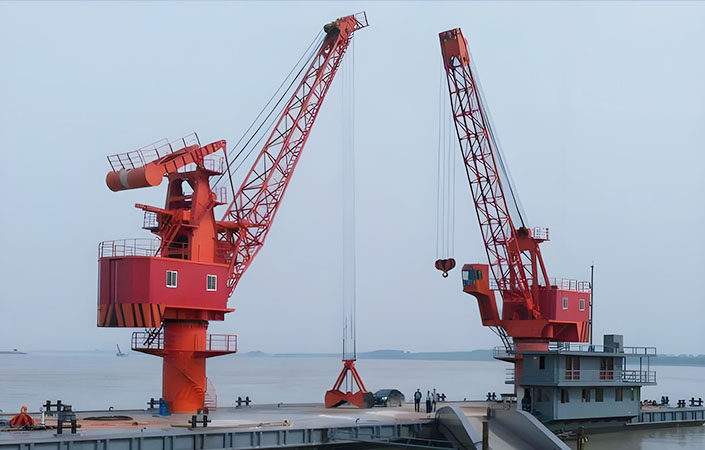
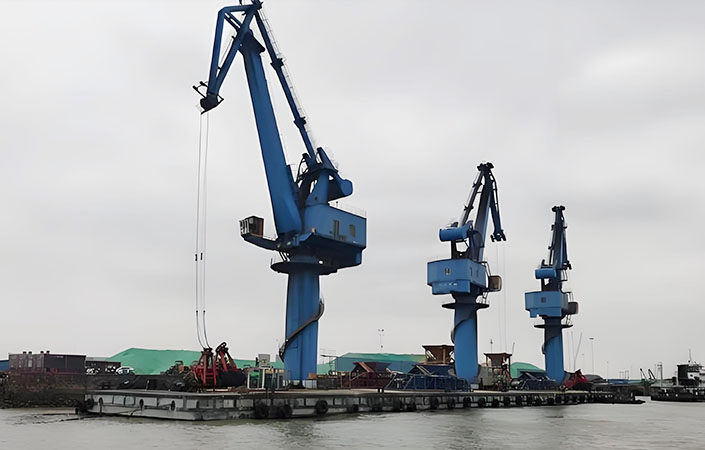
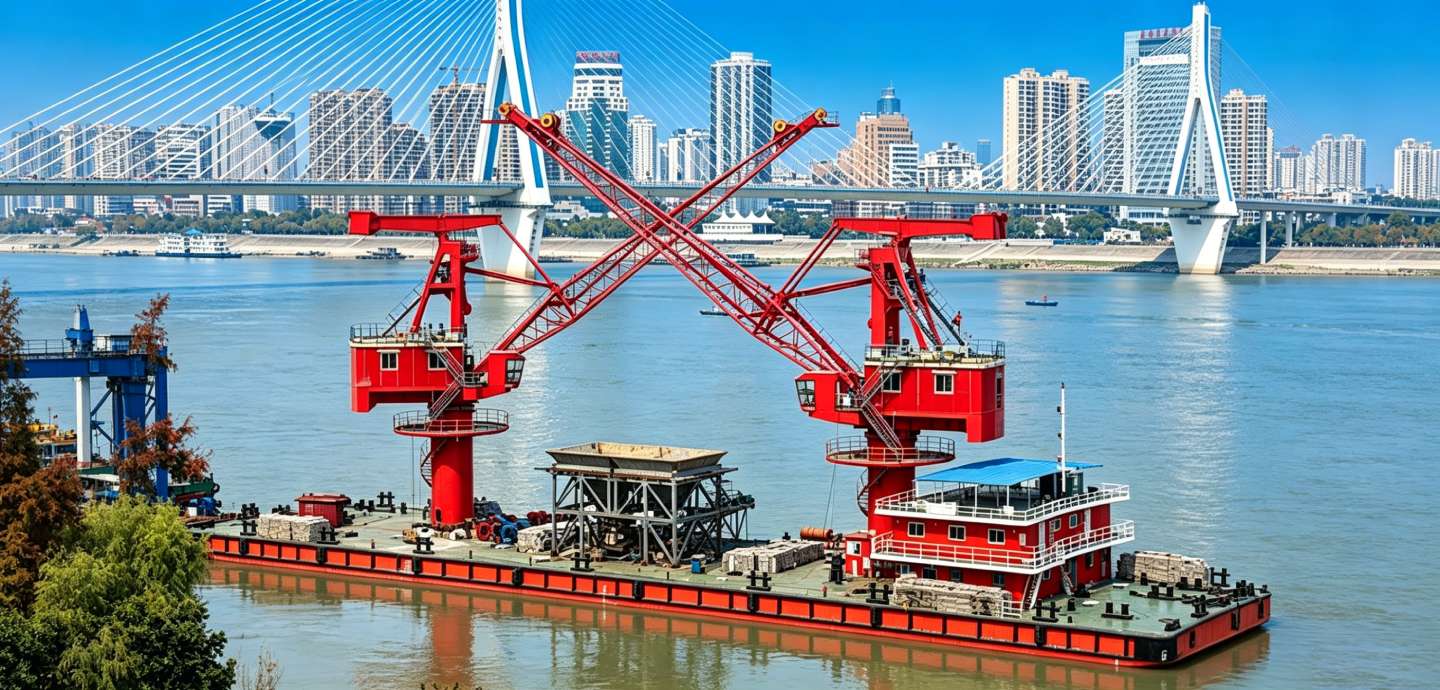
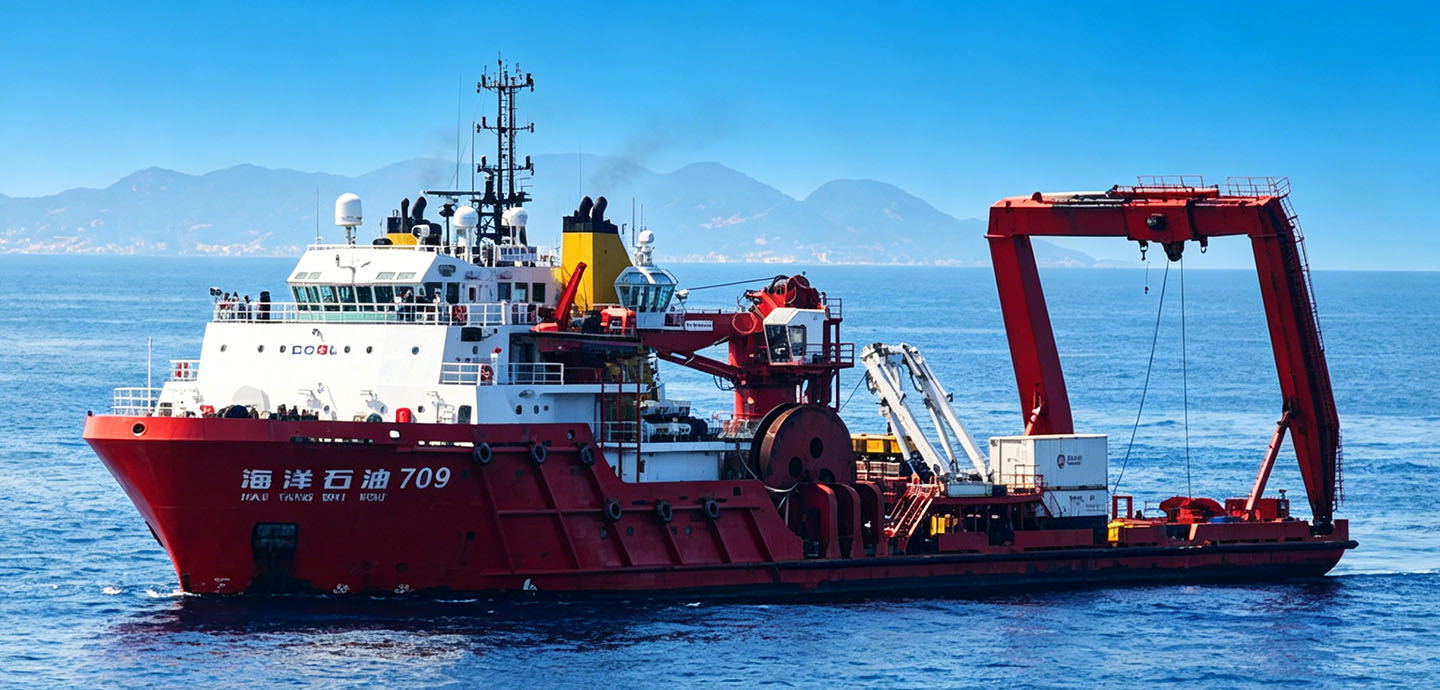
Floating Crane

Floating Crane

Project Solutions for Our Clients

Haitai Crane provides a full range of services from consulting, design and production to delivery and after-sales support. We have successfully supplied numerous crane solutions to customers all over the world. In addition, we have experienced technicians to provide on-site support to ensure that every project is completed efficiently.

High quality gantry crane manufacturer selected for you

Your needs, we customize --- submit a quote, create your own gantry crane solution,

Application

Whether in ports, shipyards, or construction sites, portal cranes can easily cope with a variety of heavy lifting needs due to their superior load carrying capacity and flexible mobility. It is widely used in cargo handling, engineering construction, steel manufacturing and other fields to help improve operational efficiency and ensure safe production. Large span, large load, high precision, portal crane for your heavy lifting offers unlimited possibilities!
Shipyards and Dockyards
Port and Container Terminals
Construction Industry
Steel Mills and Heavy Manufacturing
Warehousing and Distribution Centers
Railroad Yards
Portal Crane

Shipyards and Dockyards

Loading and Unloading Ships:
Portal cranes are commonly used at docks to load and unload cargo from ships. They can handle large, heavy containers or equipment and are designed to move along tracks or rails that extend over the water to reach different parts of the vessel.
Shipbuilding and Maintenance:
In shipyards, portal cranes can be used to lift heavy materials and sections of ships during construction, or to move parts during repairs and maintenance.
Portal Crane

Port and Container Terminals

Container Handling:
At container ports, portal cranes are used to load and unload shipping containers from trucks, trains or ships. ​The harbour freight crane can move containers between different modes of transport with high efficiency.
Heavy Cargo Handling:
Similar to shipyards, the mobile harbor crane can also be used to handle large, heavy cargo such as industrial equipment, construction materials and bulk cargo.
Portal Crane

Construction Industry

Heavy Equipment and Material Lifting:
In construction yards, portal cranes are used to move large construction materials such as steel beams, concrete slabs and prefabricated components. ​Their mobility and lifting capacity make them ideal for site-specific, large-scale operations.
Bridge and Road Construction:
In bridge construction, the portal crane can be used to lift and place large girders, and they are often seen in road construction projects for similar tasks.
Portal Crane

Steel Mills and Heavy Manufacturing

Material Handling in Manufacturing:
In steel mills or heavy manufacturing plants, portal cranes are used to move molten metal ladles, steel plates, or heavy machinery. They offer excellent control over load and can be navigated through factory aisles or dedicated work spaces.
Assembly Line Assistance:
The portal cranes also assist with heavy lifting tasks on the assembly line, especially when large parts need to be moved from one station to another.
Portal Crane

Warehousing and Distribution Centers

Handling Bulk Materials:
Portal cranes are used in large warehouses or distribution centers, especially for handling bulk materials, such as heavy pallets or containers.
Storage Management:
The portal crane can assist in placing or retrieving large items stored in high racks, ensuring smooth operations in large-scale logistics and storage facilities.
Portal Crane

Railroad Yards

Railcar Loading and Unloading:
Portal cranes are used to load and unload cargo from railcars. ​This is especially useful in places where goods need to be transferred to or from a container or truck in a rail yard.
Railcar Maintenance:
The portal crane can also be used to lift and move railcars for repair or maintenance work.

Video

Main Components of Portal Crane

The portal crane is mainly composed of the following key components:
Door Frame:
It is the basic structure of the portal crane, in the shape of a door, supporting the entire upper structure of the crane, and can move on the track to achieve the horizontal movement of the crane.
Slewing Mechanism:
It enables the upper structure of the portal crane (including the boom, turntable, etc.) to rotate around the center of the door frame, thereby changing the working direction.
Boom System:
It includes the main boom and the auxiliary boom (some models have them), which are used to support the hoisting pulley block and hook. The elevation angle of the boom is changed through the luffing mechanism to adjust the working radius.
Lifting Mechanism:
Composed of an electric motor, reducer, drum, steel wire rope, pulley block and hook, etc., it realizes the lifting movement of goods.
Luffing Mechanism:
It drives the boom to luffing, changing the horizontal position of the hook to enable the crane to operate within different amplitudes.
Driver’s Cab:
The cab is the place where the operator controls the crane. It is equipped with various control devices and instruments, which are used to operate the crane's lifting, slewing, luffing and traveling, etc.
Counterweight:
It is used to balance the weight of the boom system and ensure the stability of the crane during operation.

What is the Working Principle of a Portal Crane?

The working principle of a portal crane is to achieve vertical lifting, horizontal rotation, luffing adjustment and overall movement of goods through mechanical transmission and mechanism coordination, thereby completing material loading and unloading operations in scenarios such as ports and docks. The specific principle is as follows:
Lifting Principle
The lifting mechanism is driven by an electric motor through a reducer, which rotates the drum to wind or release the steel wire rope. The steel wire rope changes the direction and magnitude of the force through the pulley block, and ultimately drives the hook to rise and fall, achieving the vertical lifting or lowering of the goods.
Rotary Principle
The motor of the slewing mechanism drives the slewing bearing (the rotating device between the turntable and the mast) through the reducer, causing the upper boom, cab and other structures to rotate around the center of the mast, thereby changing the horizontal working direction of the goods.
Principle of Amplitude Variation
The luffing mechanism is driven by an electric motor to rotate the boom around its hinge point (or by pulling the boom with a rope), changing the boom's elevation angle and thereby adjusting the horizontal working radius of the hook, enabling the goods to be transported within different amplitude ranges.
Crane Travelling Principle
The bottom of the door frame is equipped with traveling wheels. The motor of the traveling mechanism drives the wheels to rotate through a reducer, enabling the entire crane to move horizontally along the track and expand the working coverage area.

These institutions work in coordination, enabling the portal crane to have the ability to handle materials in three-dimensional space and efficiently complete the loading, unloading, stacking and other operations of bulk goods such as bulk cargo and general cargo.

Certifications We Offer

Our portal cranes meet international standards and have obtained a number of certificates such as CE, CCS, ABS, BV and others.

High quality gantry crane manufacturer selected for you

Your needs, we customize --- submit a quote, create your own gantry crane solution,

Advantages of Haitai Portal Crane

As a professional and reliable portal crane manufacturer, Haitai Crane has the following significant advantages:
Strong Technological Research and Development Capabilities
With over 30 patents, it is A national A-level qualified production unit for special equipment such as bridge and gantry cranes and portal cranes.
We have maintained long-term strategic cooperation with many lifting machinery design institutes in Beijing, Shanghai and other places. We have also jointly established a technology research and development institution with relevant professionals from universities such as Wuhan University of Technology and Xidian University, and rehired many industry technical expert advisors to provide on-site guidance.
Establish Perfect Product Quality Assurance System
We strictly use national standard materials for construction. Our products have passed multiple international management system certifications such as ISO9001, ISO14001, and ISO45001, and have also obtained certifications from several authoritative international classification societies including CCS, ABS, and BV. The quality and safety standards of our products have been highly recognized. It can meet the operation requirements of multiple regions around the world.
With over 200 sets of processing equipment, it can independently complete all the technological processes such as turning, milling, planing and grinding, and has exquisite production techniques.
Outstanding Customized Service Capability
According to the actual operation requirements of customers, the core parameters such as the lifting capacity, boom length, lifting height and running speed of the portal crane can be personalized designed and adjusted to achieve "equipment adaptation requirements".
From the initial communication of requirements and scheme design, to the mid-term research and development and production, and then to the later installation and commissioning as well as after-sales service, a professional team will follow up throughout the process.
Numerous Qualifications and Honors
It has been awarded titles such as "High-tech Enterprise of Henan Province", "Specialized, Refined, Unique and Innovative Small and Medium-sized Enterprise of Henan Province", and "AAA Credit Enterprise".
Perfect After-sales System
We offer professional pre-sale consultation, customized design solutions, track product installation, and provide post-sale technical support and maintenance to relieve customers of their worries.
Portal Crane
Portal Crane
Portal Crane
Portal Crane
Portal Crane

Customer Guidance

Customer Guidance for Choosing Portal Crane
Find the suitable portal crane to help your project be efficient and safe! We can provide tailor-made crane solutions according to your project needs. Whether it is port handling, storage handling or large equipment lifting, we have the right harbour crane to serve you. With professional technical support and high-quality equipment, you can ensure that every lifting task can be completed easily. Choose us to make your projects more efficient and safer!

Determine the Work Requirements

Lifting Capacity:
Determine the required lifting capacity based on the customer's demands. Portal cranes usually have different maximum lifting capacities. When choosing, the maximum weight of the goods to be lifted should be taken into consideration.
Working Radius:
Select an appropriate working radius based on the layout of the goods stacking. Long working radii are usually suitable for large ships or large containers, while short radii may be more suitable for medium and small-sized vessels.
Lifting Height:
The required lifting height should be determined based on the type of vessel within the port and the height of the storage yard. If dealing with taller containers or special goods, the lifting height requirement may be relatively high.

Consider the Adaptation of the Working Environment to the Equipment

The water depth of the port and the type of wharf:
Different ports may have different water depths, and the portal crane needs to be able to adapt to these conditions. Ensure that the selected crane can work effectively in the environment of the port.
Wind speed and climate at the port:
Different climatic conditions (such as strong winds, rain and snow, etc.) may affect the operation of cranes. It is important to choose equipment that can adapt to specific climatic conditions.

Evaluate the Performance and Efficiency of Cranes

Consider the efficiency requirements of the work and select an appropriate speed. For instance, cranes that operate quickly are suitable for high-frequency container handling tasks, while slower cranes may be appropriate for low-frequency but more delicate handling work.

Consider Maintenance and After-sales Service

Reliability and Durability:
When making a purchase, ensure that the equipment is of reliable quality and can operate stably for a long time to avoid downtime caused by frequent maintenance.
Ease of Maintenance:
Choose equipment that is convenient for maintenance and easy to repair. Especially for large-scale equipment, a reasonable design can reduce downtime and lower maintenance costs.
After-sales Service of Suppliers:
Ensure cooperation with suppliers that provide high-quality after-sales service. Good after-sales service includes timely technical support, maintenance response and rapid supply of spare parts.

Comply with Safety and Regulatory Requirements

Safety Standards:
Ensure that the equipment complies with international and regional safety standards. The design of cranes should comply with the safety requirements for port operations, including preventing equipment overturning, overload protection, and safety protection for operators, etc.
Compliance:
The equipment also needs to comply with local environmental protection regulations and industry standards to avoid additional costs and legal issues caused by non-compliance.

Consider the Cost and Return on Investment

Budget Constraints:
Select equipment based on the customer's budget, and evaluate the procurement cost, operating cost, maintenance cost, etc. of different cranes to ensure the maximum return on investment.
Long-term Benefits:
Considering the service life of the equipment, maintenance costs and energy-saving benefits, choose a device that not only meets the needs but also has a high cost performance.

Energy Efficiency and Environmental Protection

Choose cranes that are highly efficient and meet environmental protection standards. Nowadays, many ports pay more attention to energy conservation and emission reduction. Choosing low-energy-consuming equipment can lower operating costs.

Specific Requirements and Customization

Special Cargo Handling:
If the port needs to handle specific types of cargo (such as dangerous goods, heavy cargo, etc.), choose a specially customized portal crane. These cranes may have additional safety features, more robust structures, etc.
Anti-corrosion Design:
If the port is located along the coastline or in other humid environments, it is necessary to choose cranes with anti-corrosion design to extend the service life of the equipment.

Customize Your Lifting Solutions

Please refer to the following tips
1. The product you need:
2. What will the product be used for:
3.Product specs: (lifting capacity, span, lifting height)
4.Project introduction: (project working site, project stage, etc)
Tips: After you submit the quotation, our sales will contact you in the first time to provide professional answers and further support, provide you with the best solution, and ensure timely follow-up. or send us an email viainfo@haitaicrane.com .

    First Name

    Last Name

    your Email*

    Phone/whatsapp

    Country

    Lifting solution for product*

    Message*

    FAQ

    What information should I provide when quoting the portal crane?

    You should provide the portal crane technical data that we need to confirm:
    a. Lifting Capacity: Includes the hoisting material load and the spreader (grab, hook, etc.) weight
    b. Lifting Height: Includes the sum of the lifting height above the rail and below the rail.
    c. Amplitude: The maximum distance between the center of the crane and the lead perpendicular to the center of the hoist.
    d. Gauge: The horizontal distance between the central line of the crane's track.
    e. Working Speed: Should be determined on the basis of the required productivity.

    Can you send me your price list of the portal crane?

    Sorry, dear friend, as you know, our harbour freight cranes are customized with different capacity loads, different spans. Different lifting heights and other working conditions make the price of a mobile harbor crane very different. In order to save you time, we can give you a quick quote depending on your detailed requirements. Please contact us for a quick quote. Thank you for your understanding.

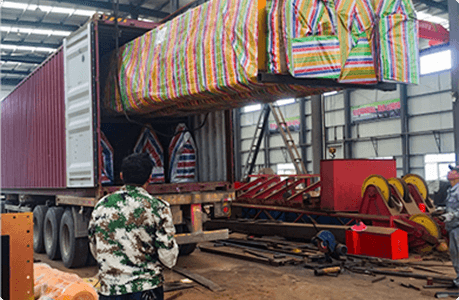
    Can the portal crane be shipped by containers?

    The container is also preferred shipping way, even if the span is over than the size of container length, we can also provide a special design on main beam, making the main beam united together by flange with bolts and nuts. But if the mobile harbor crane is specially designed to be taller or wider than the width of the container, we will choose the bulk ship. Feel free to contact us for detailed solutions and to confirm suitable shipping methods.

    If spare parts of portal crane are out of work, is it easy for us to get them locally?

    We will send free spare parts list and charged parts list for your evaluation. Our main electrical components are adapted from Siemens or Schneider brands. It's easy to buy in the whole world. But if there is any difficulty in our customers getting the spare parts, we can deliver them to customer site.

    Can you provide the installation service of portal crane?

    Yes, we can. If your side needs us to do the installation, we could send our professional engineers to do the work. Alternatively, if our engineers can work with our installation team, the installation will save a lot of time. Contact us for a suitable installation solution.

    What is the lead time of the portal crane?

    It is based on the portal crane capacity and quantity. Generally, one set portal crane delivery time around 4 months.

    What is the warranty period of the portal crane?

    12 months warranty since BL date.

    How can we solve the technical problems during operation?

    We can dispatch engineers to working site at client’s cost. Alternatively, we can guide technical troubleshooting online/remote via Skype or WhatsApp for free.

    Can your technical team train our site operator or maintenance?

    Yes. We can dispatch engineers to working site at client’s cost and train site personnel for operation and maintenance.

    What is the technical document we can get from you?

    a.User Manual and Maintenance Manual
    b.Installation, Operation and Service Manual
    c.Electrical Schematic Drawing and Wiring Diagram

    Related Product

    info@haitaicrane.com
    +86 373-3808039
    +86 18637353916

      X