Evaluate the Working Environment
The selection of container straddle cranes should be based on the actual application of the project and the goods to be lifted. If it is used to handle containers, the expected container throughput needs to be evaluated.
Choose the Appropriate Type of Crane
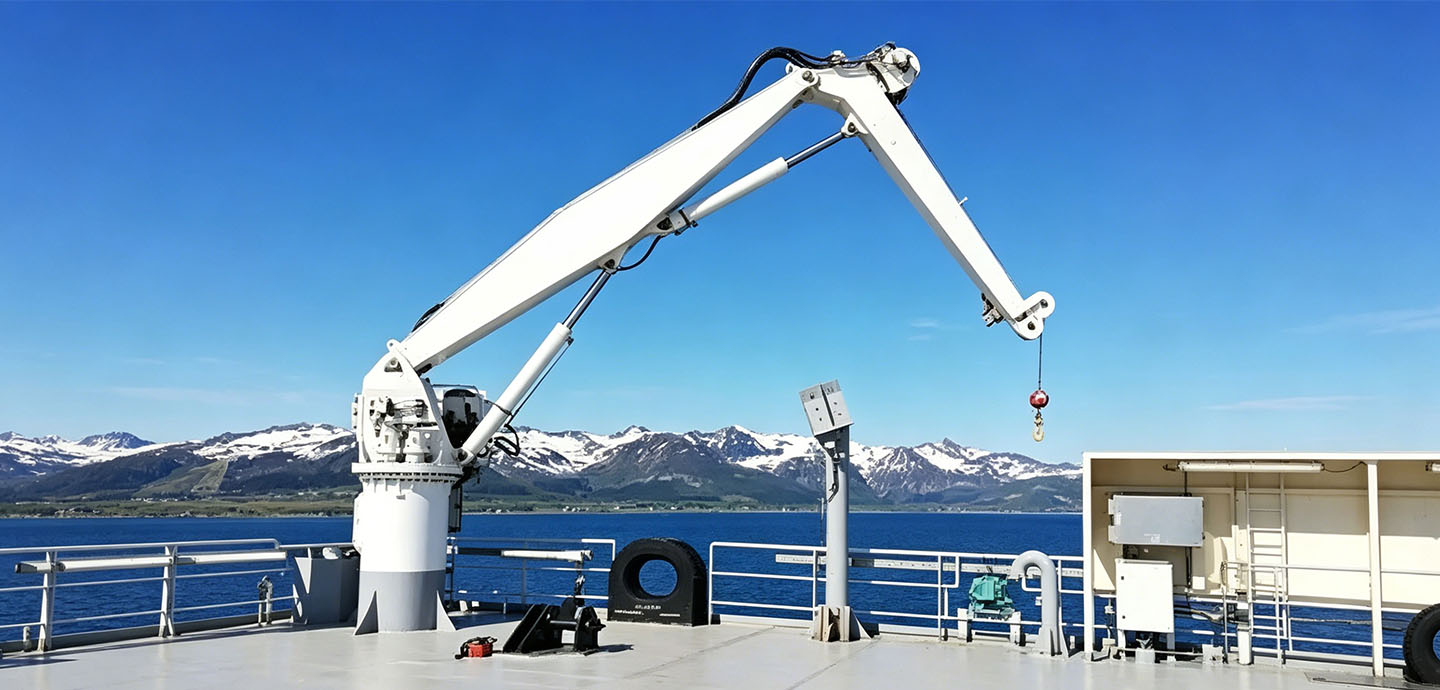
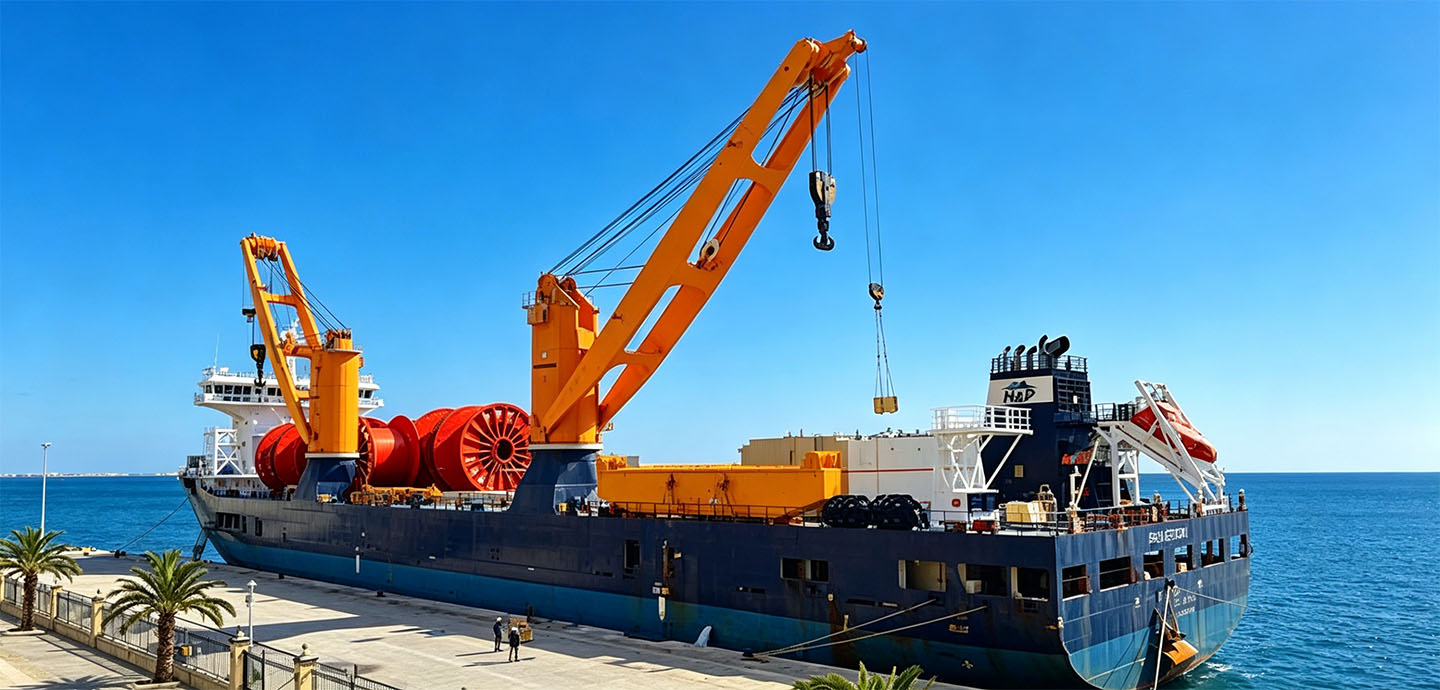
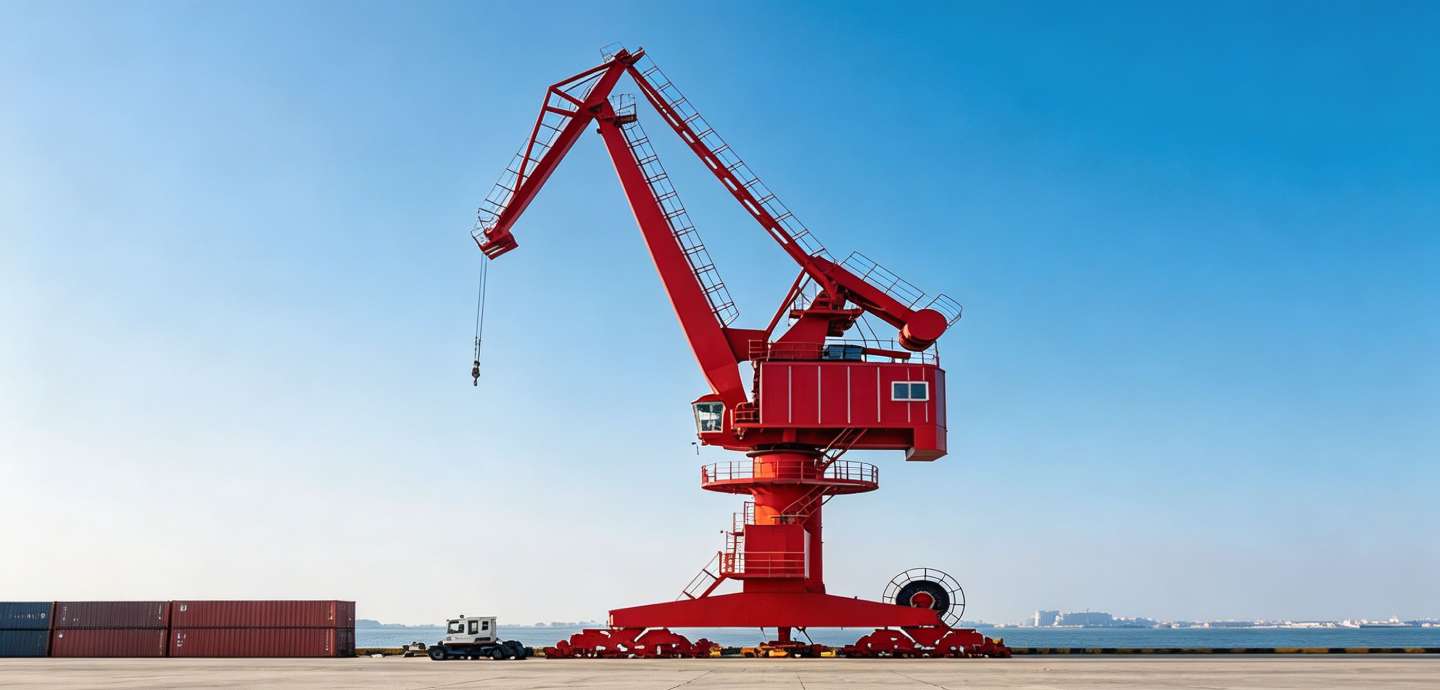
Quay Crane: The quay crane is suitable for container loading and unloading ships and is one of the most common container lifting devices, and typically used in large-scale ports and can cover large vessels.
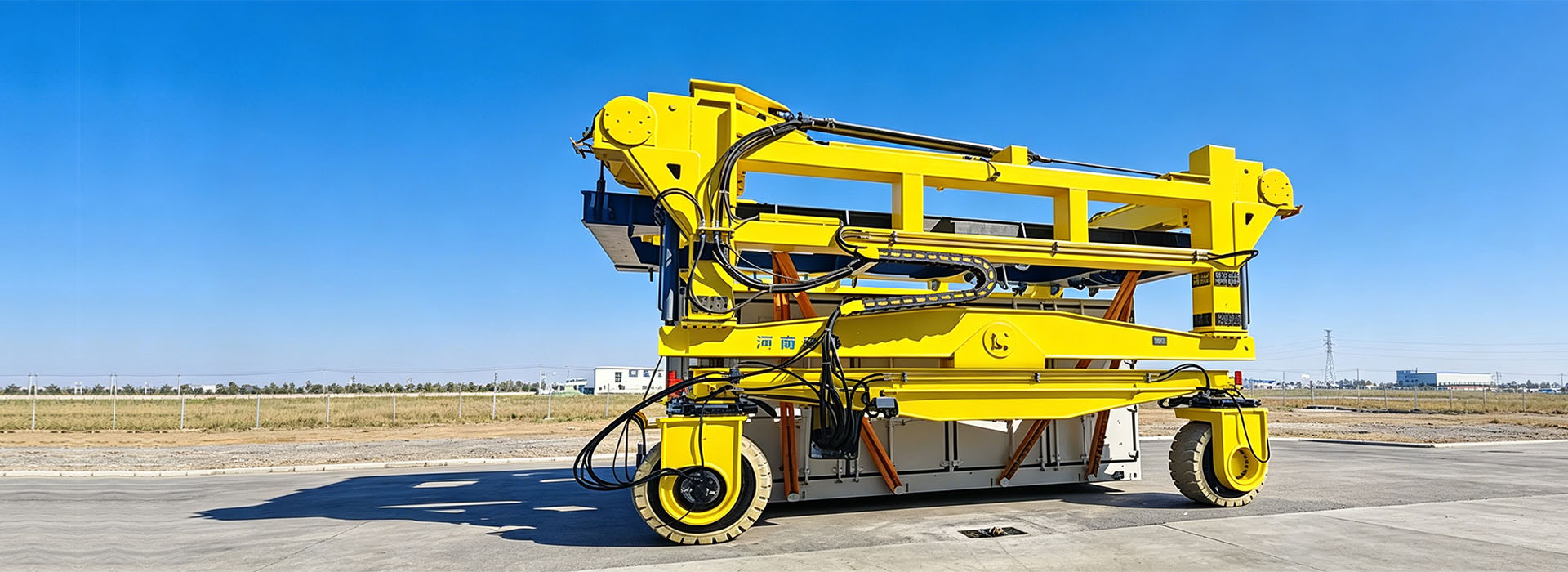
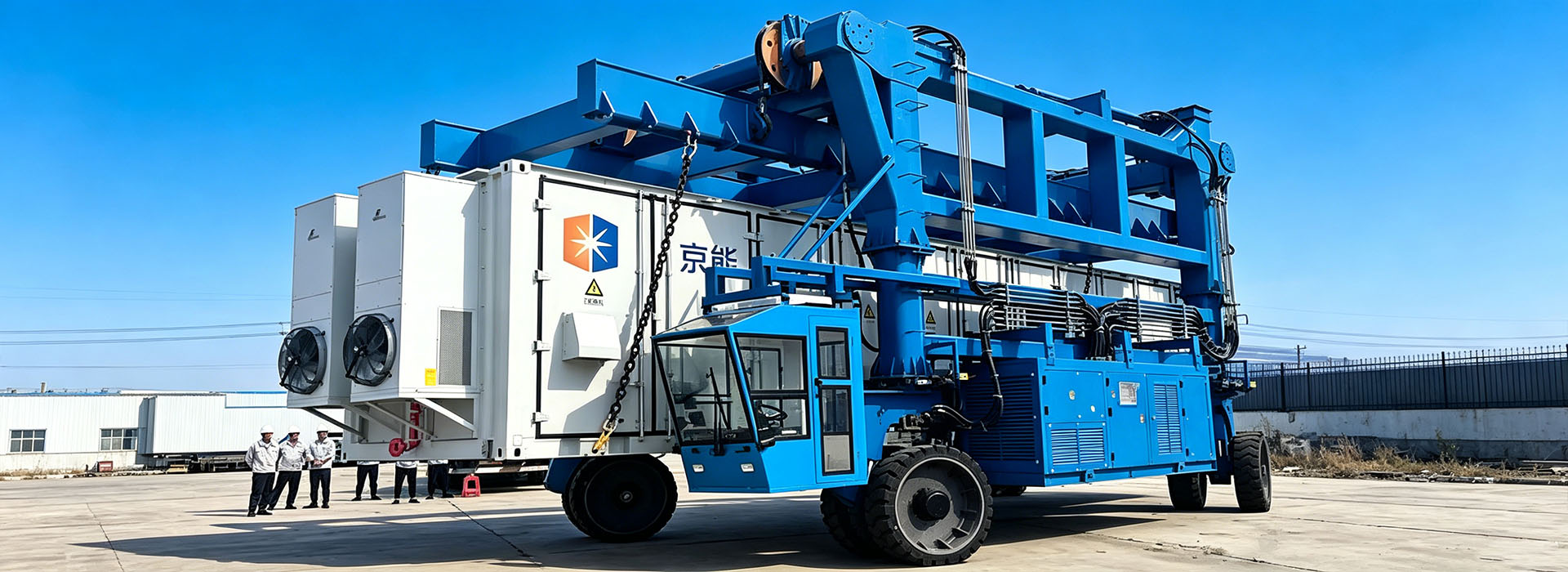
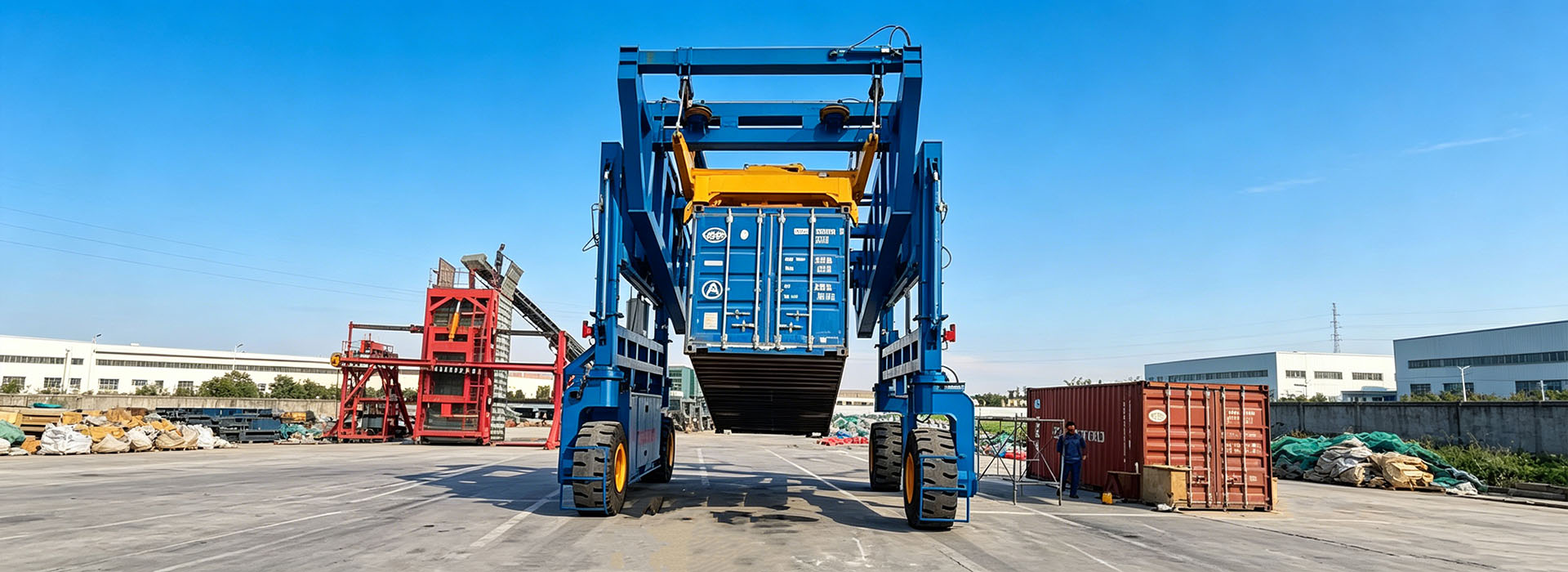
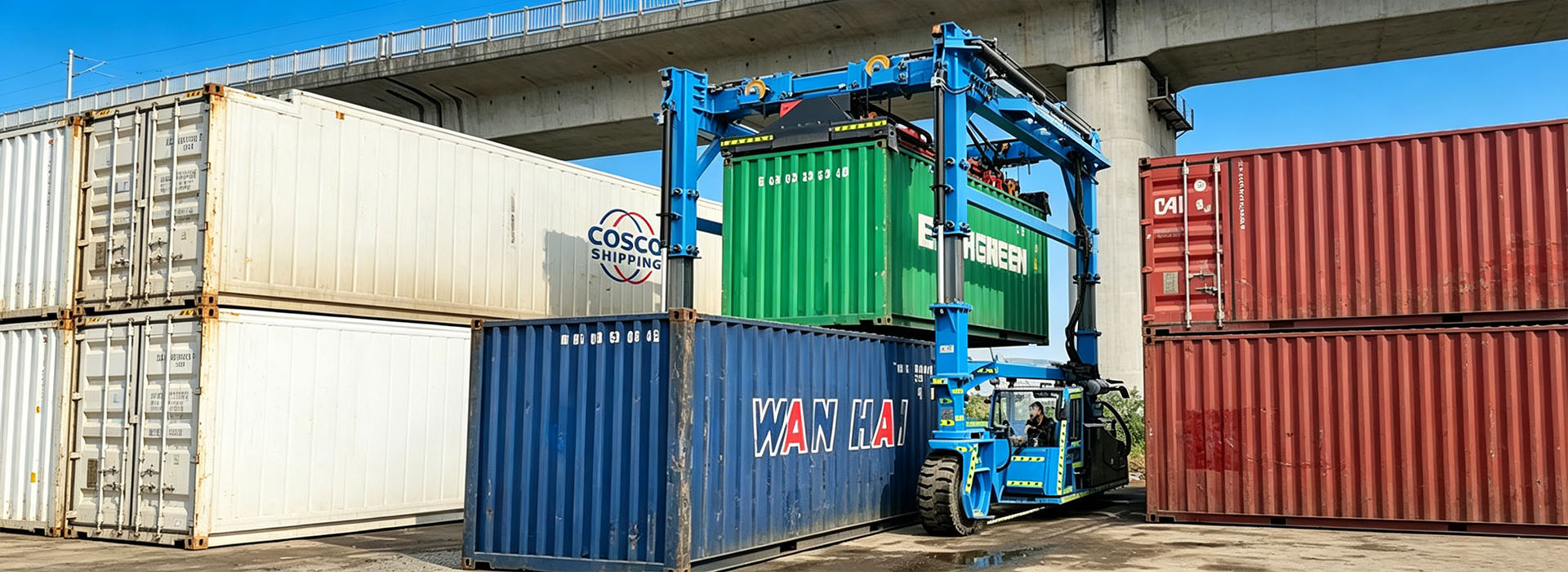
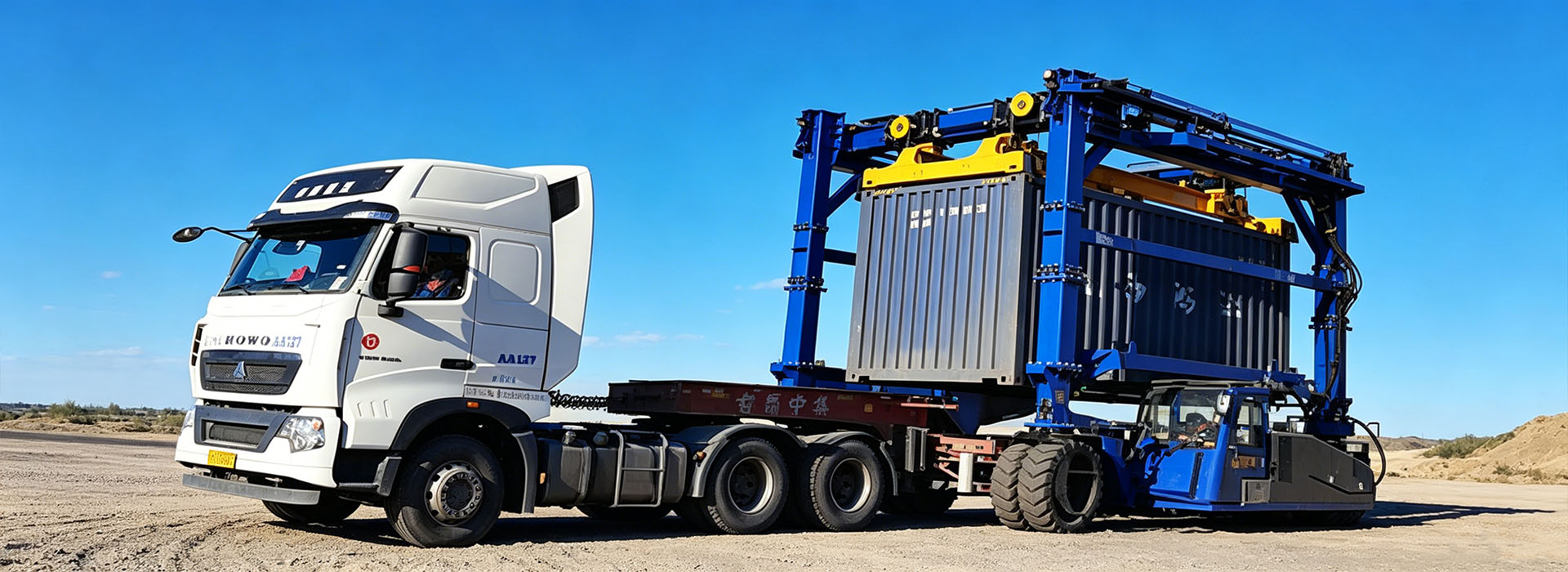
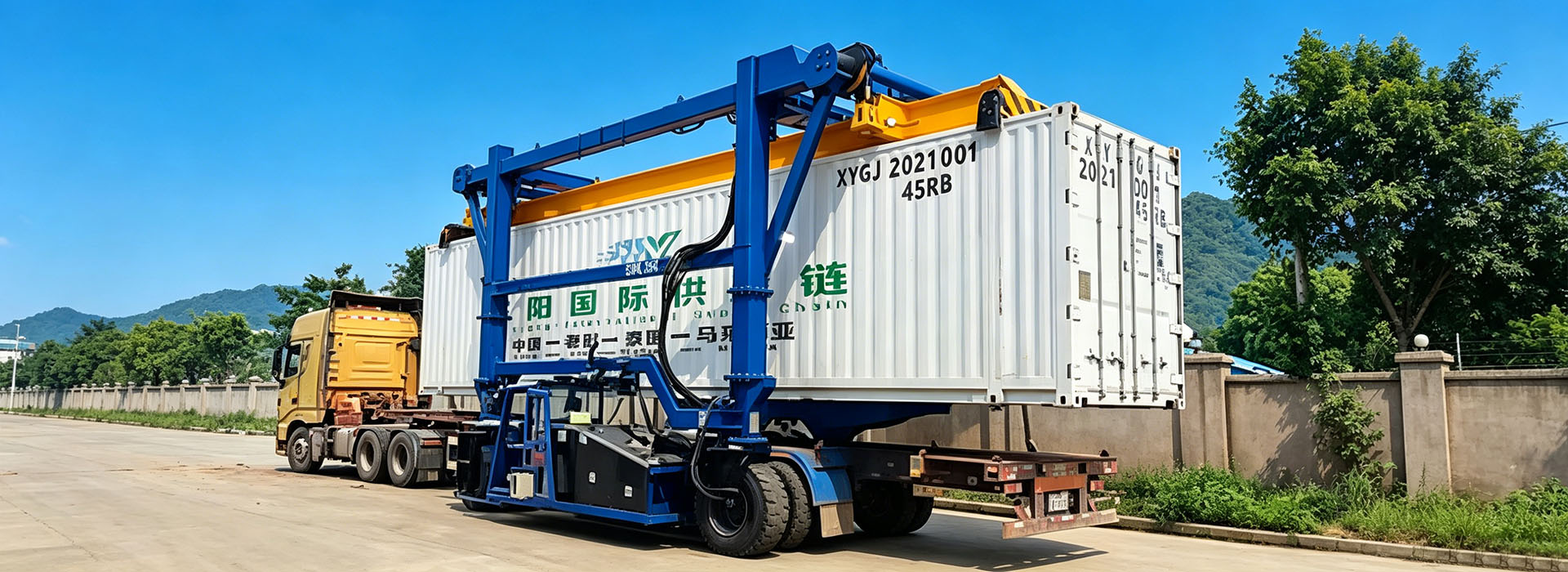
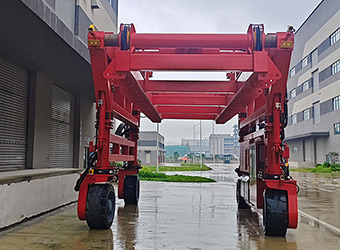
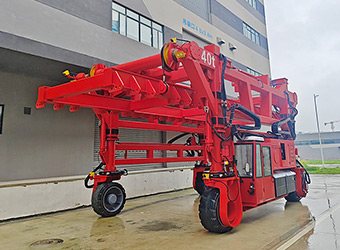
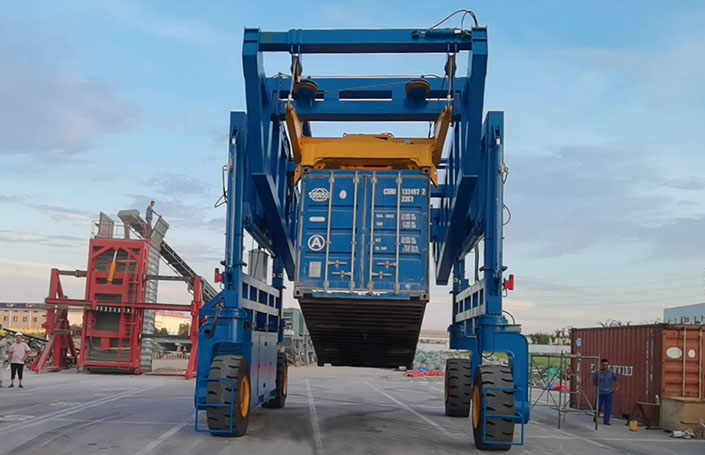
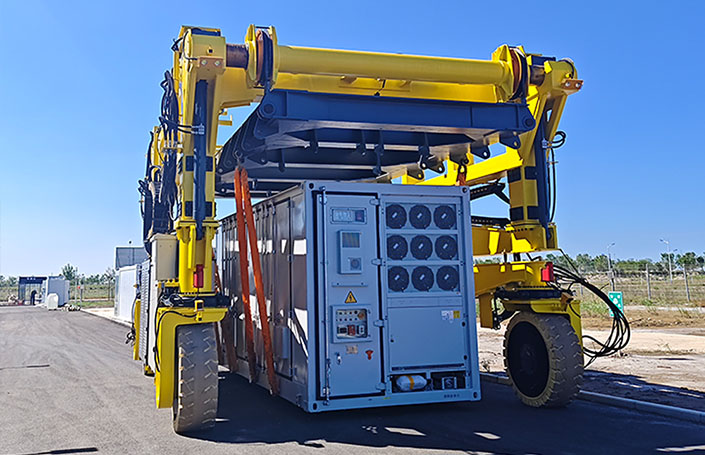
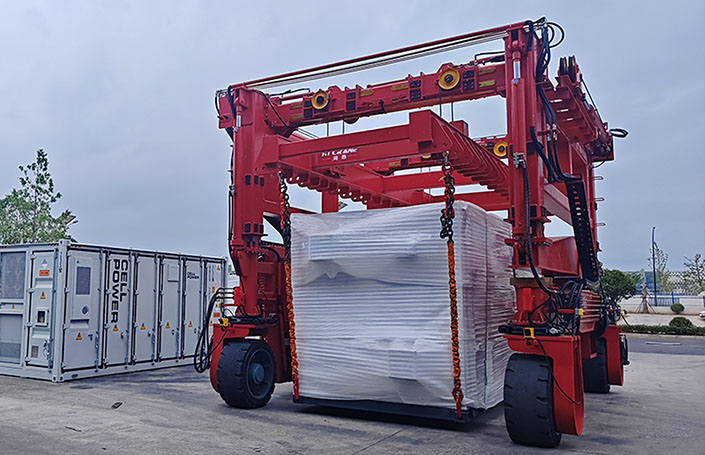
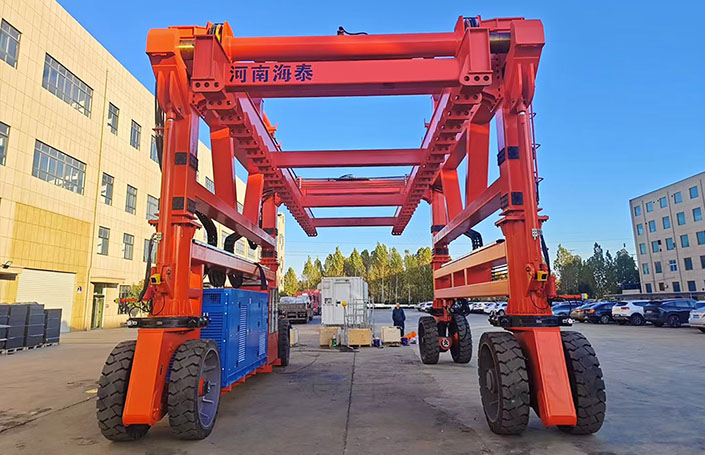
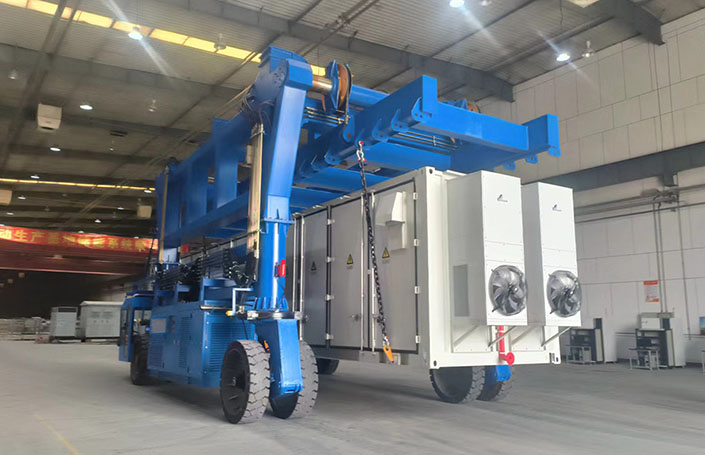
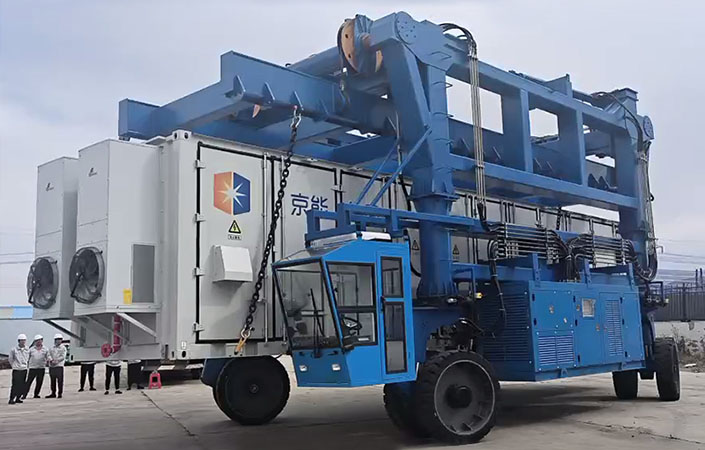
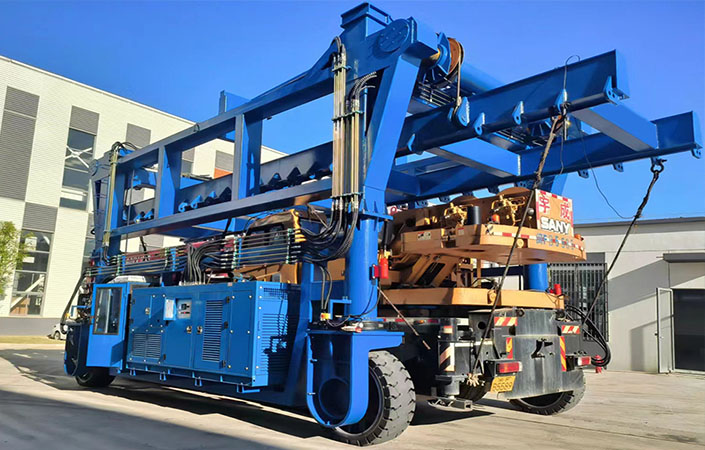
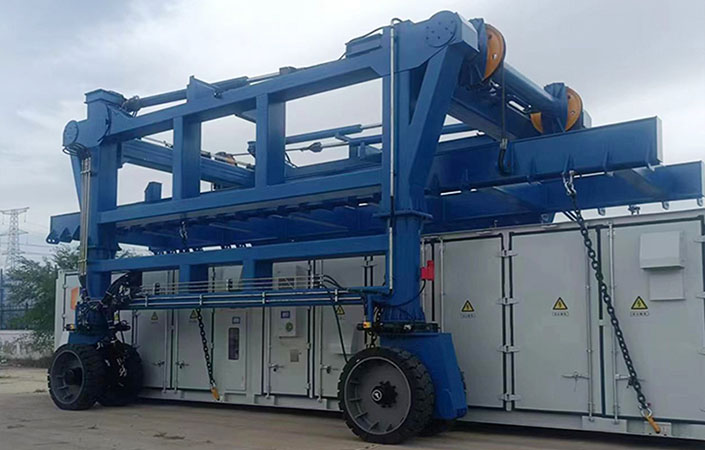
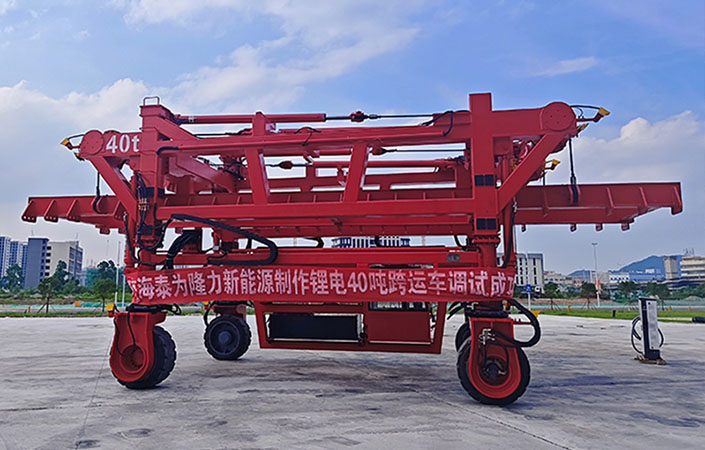
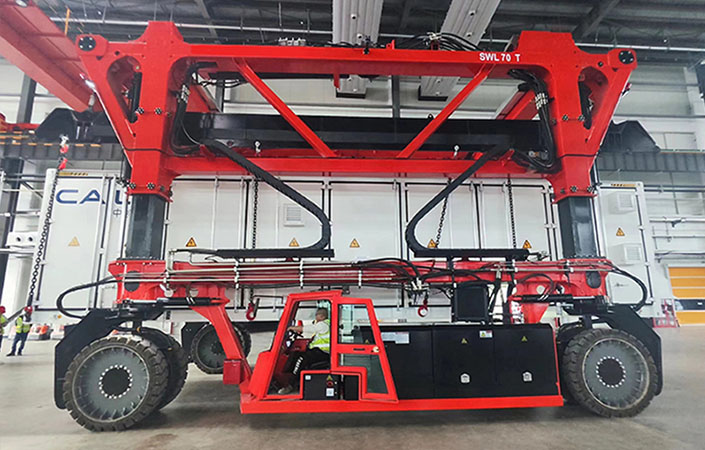
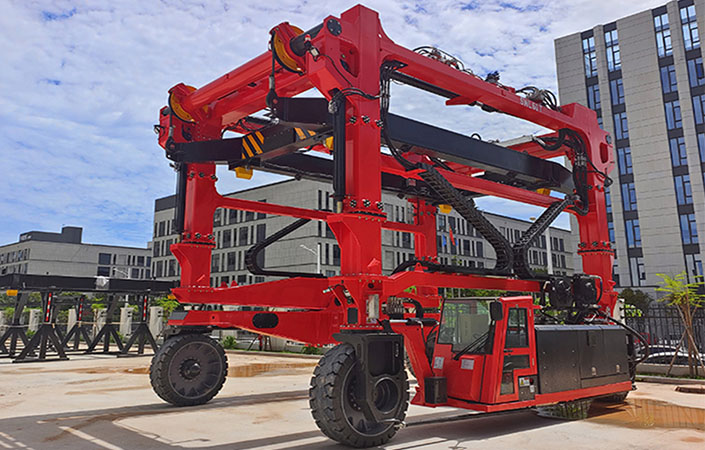
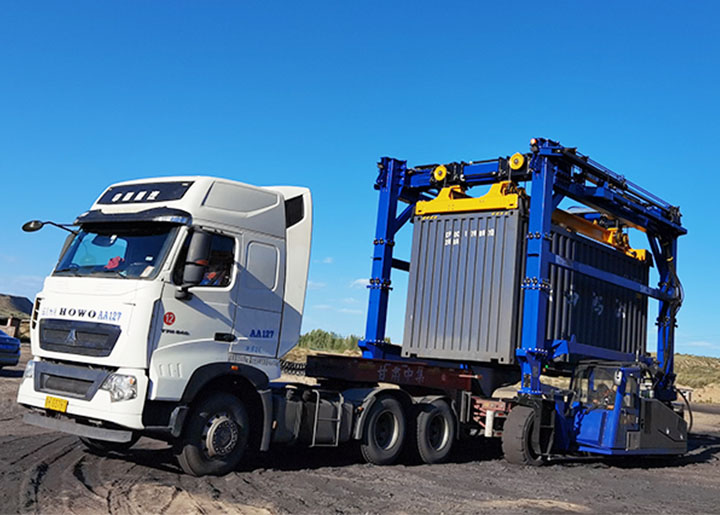
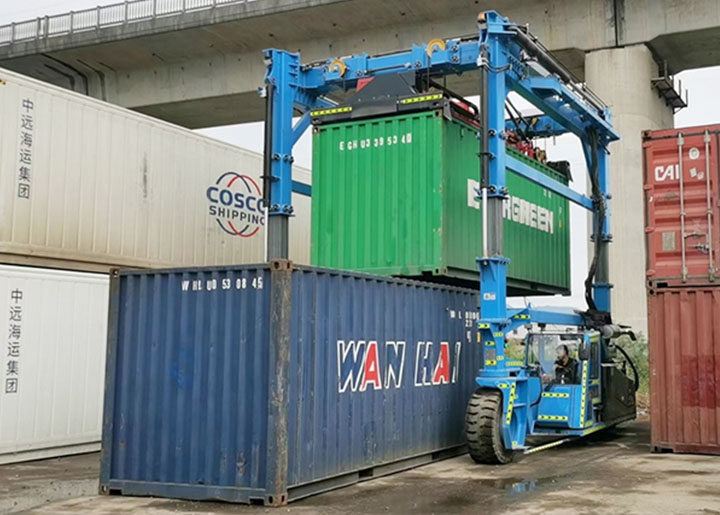
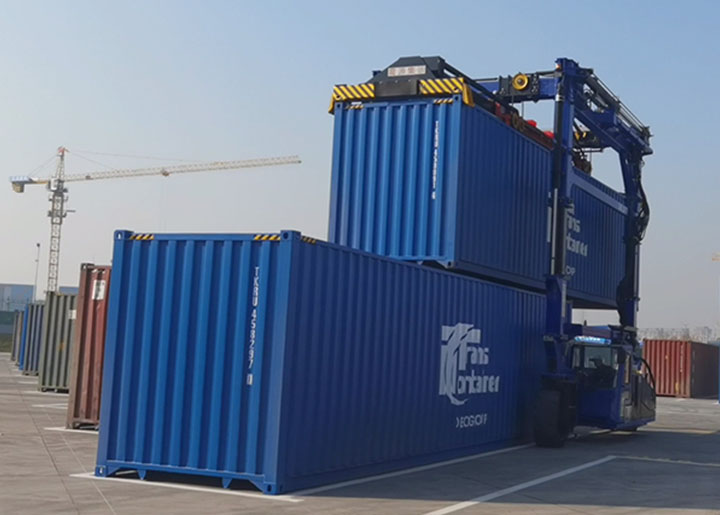
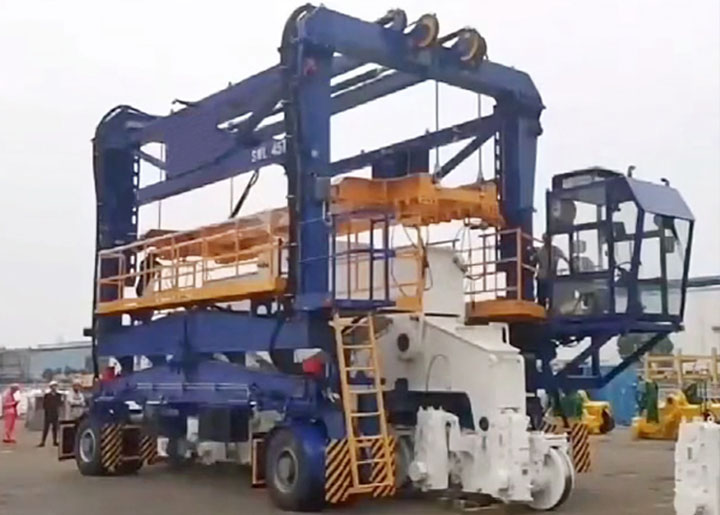
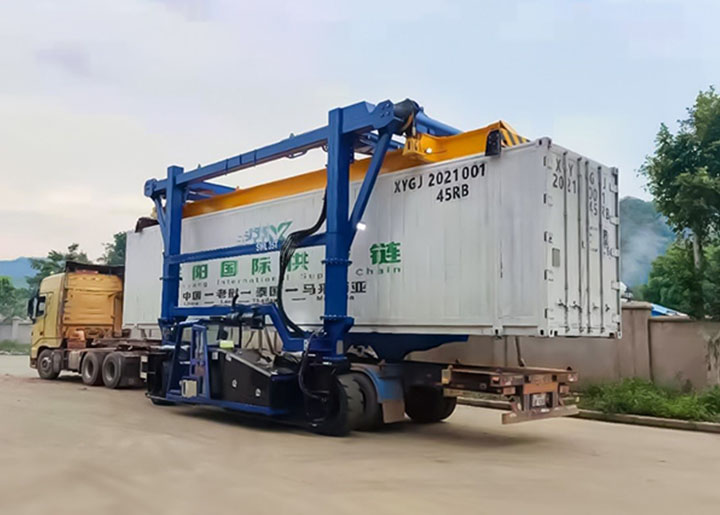
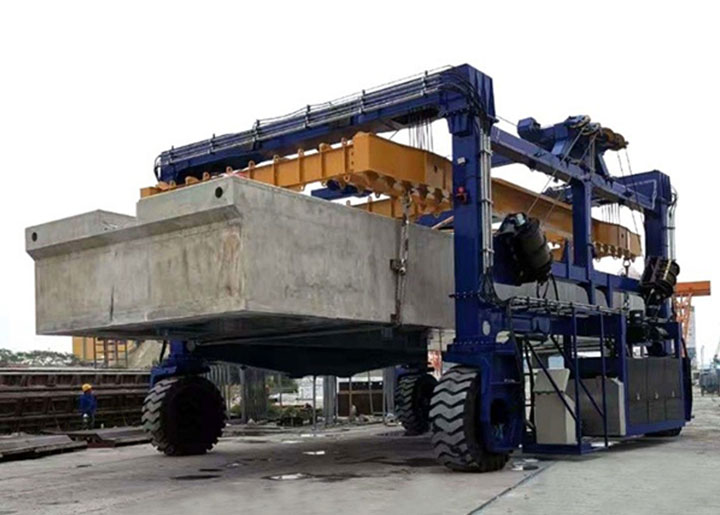
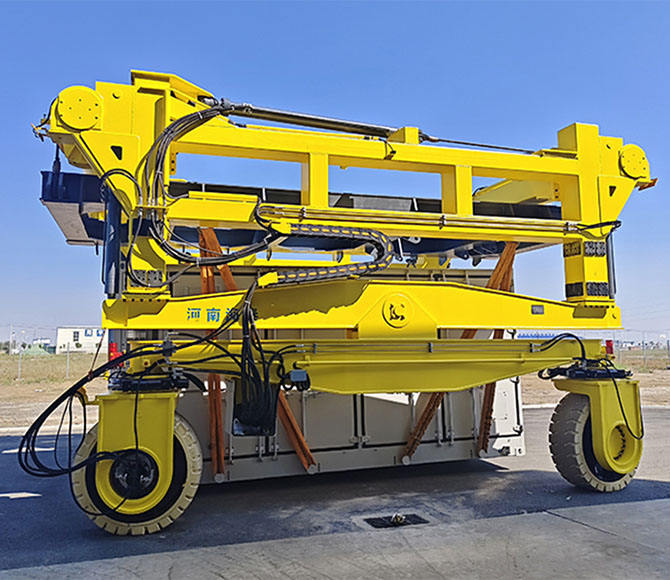
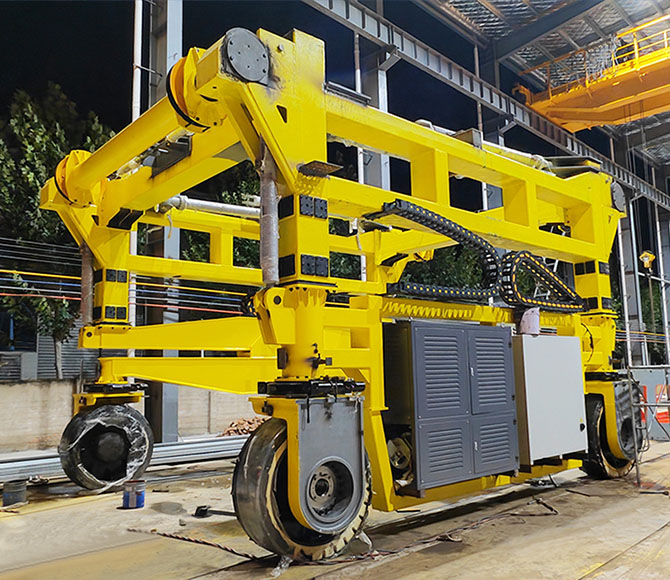
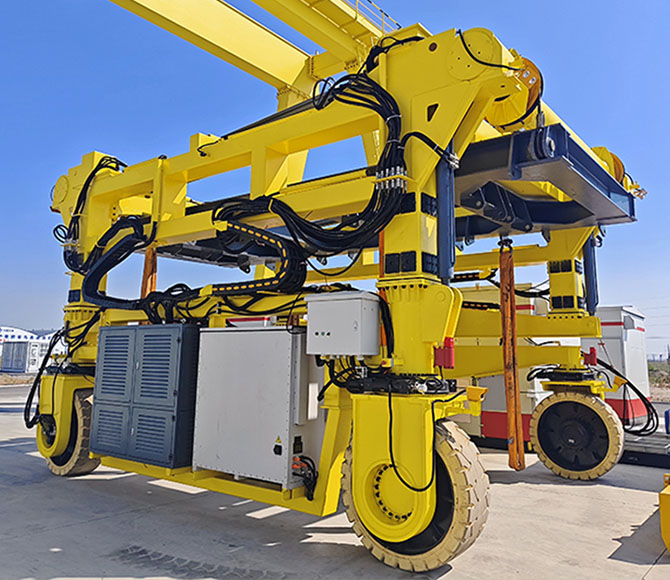
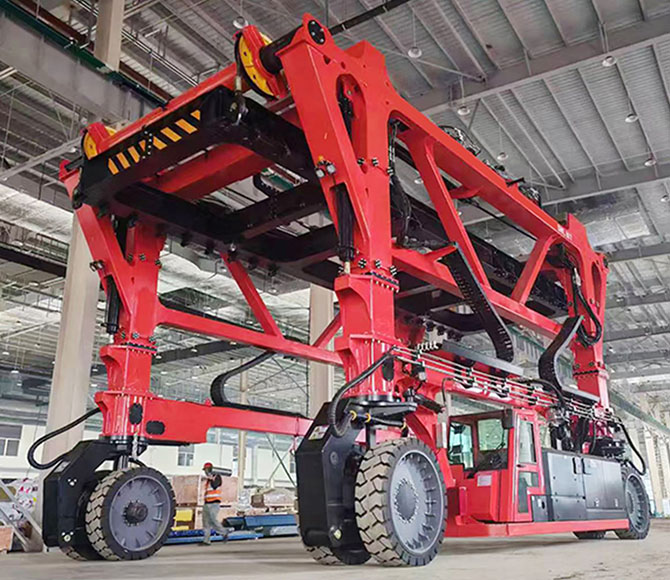
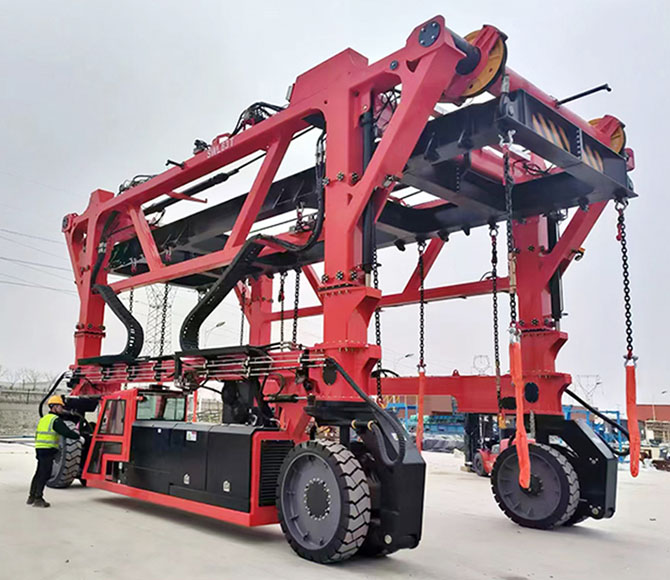
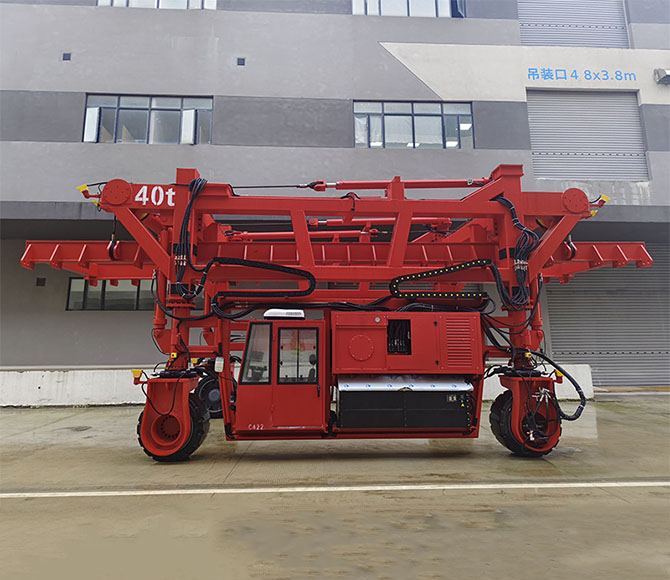
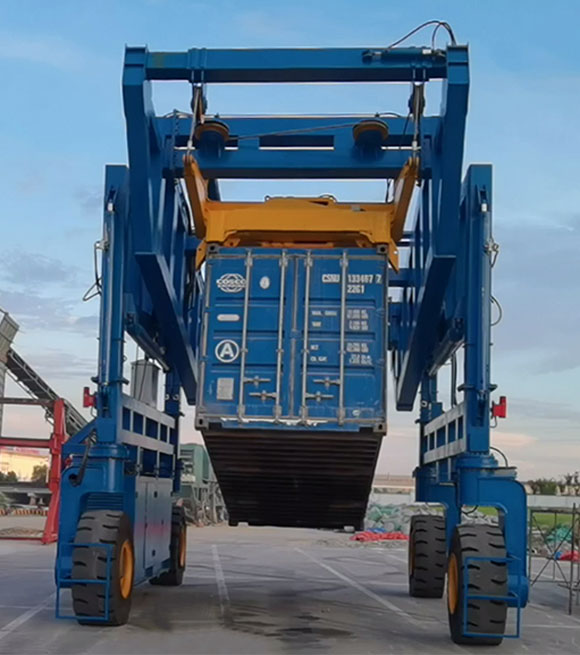
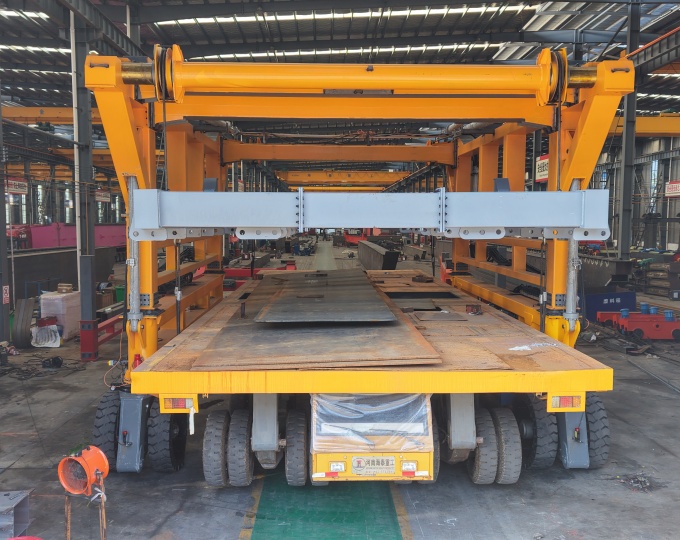
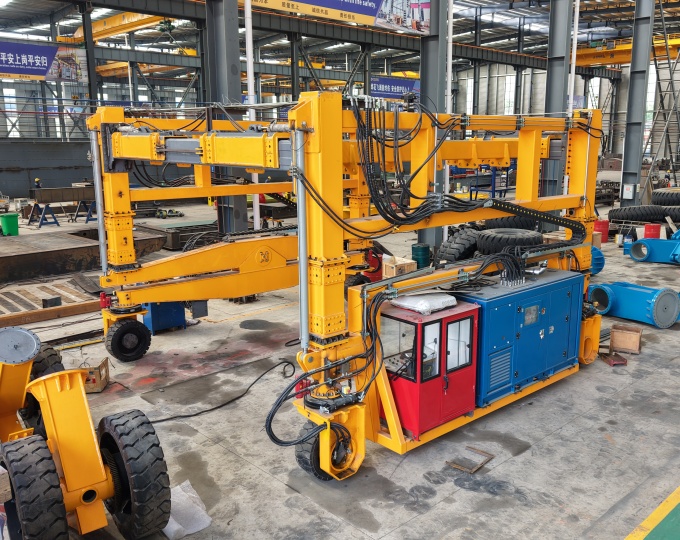
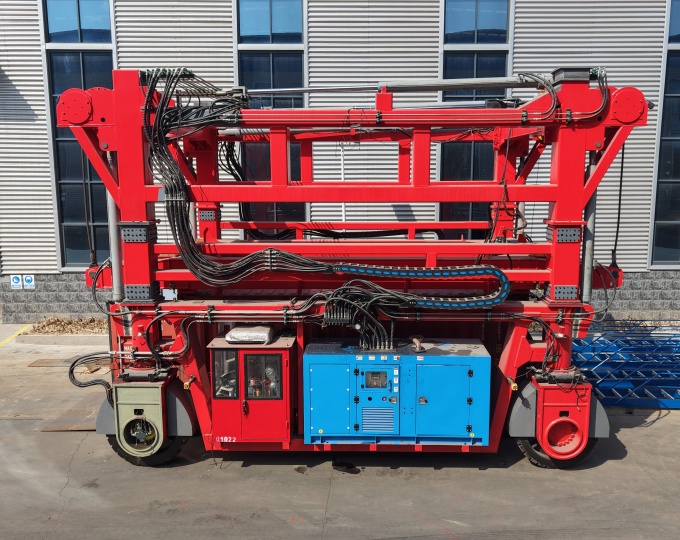
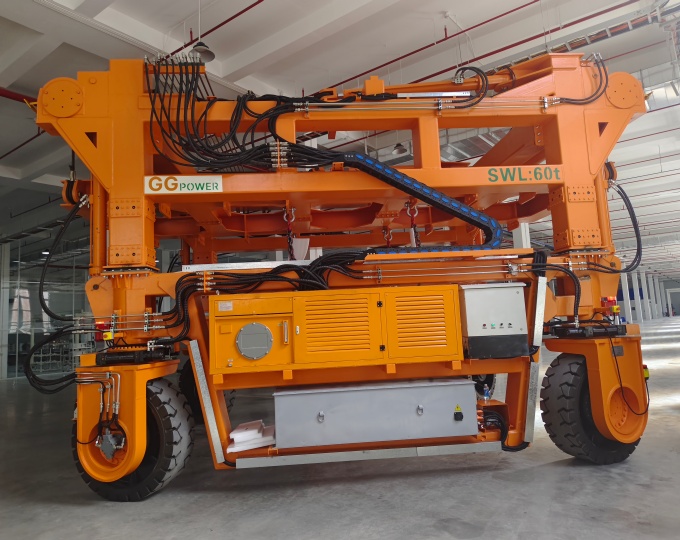
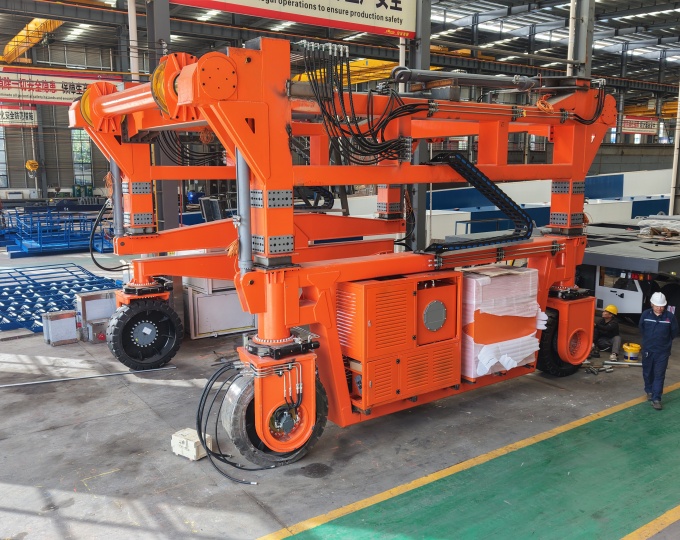
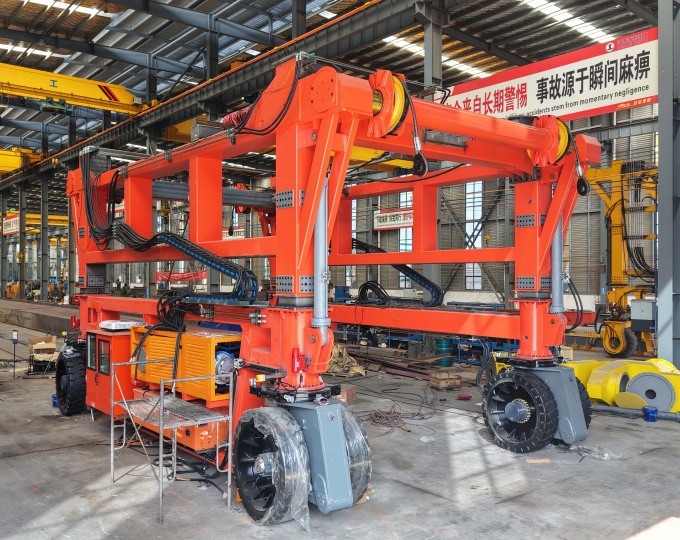
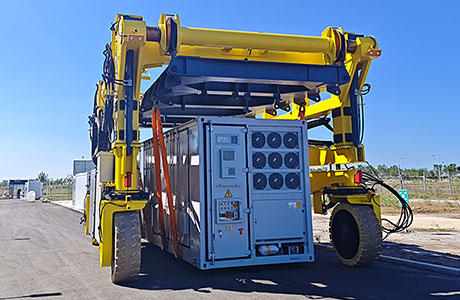
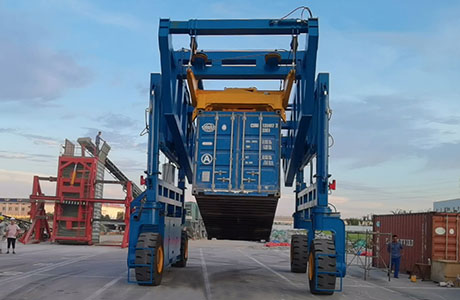
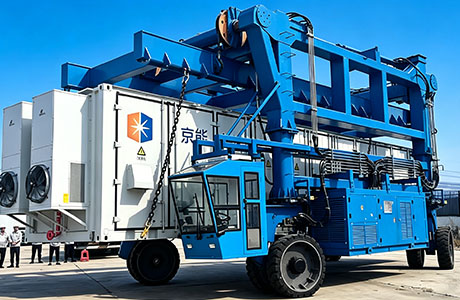
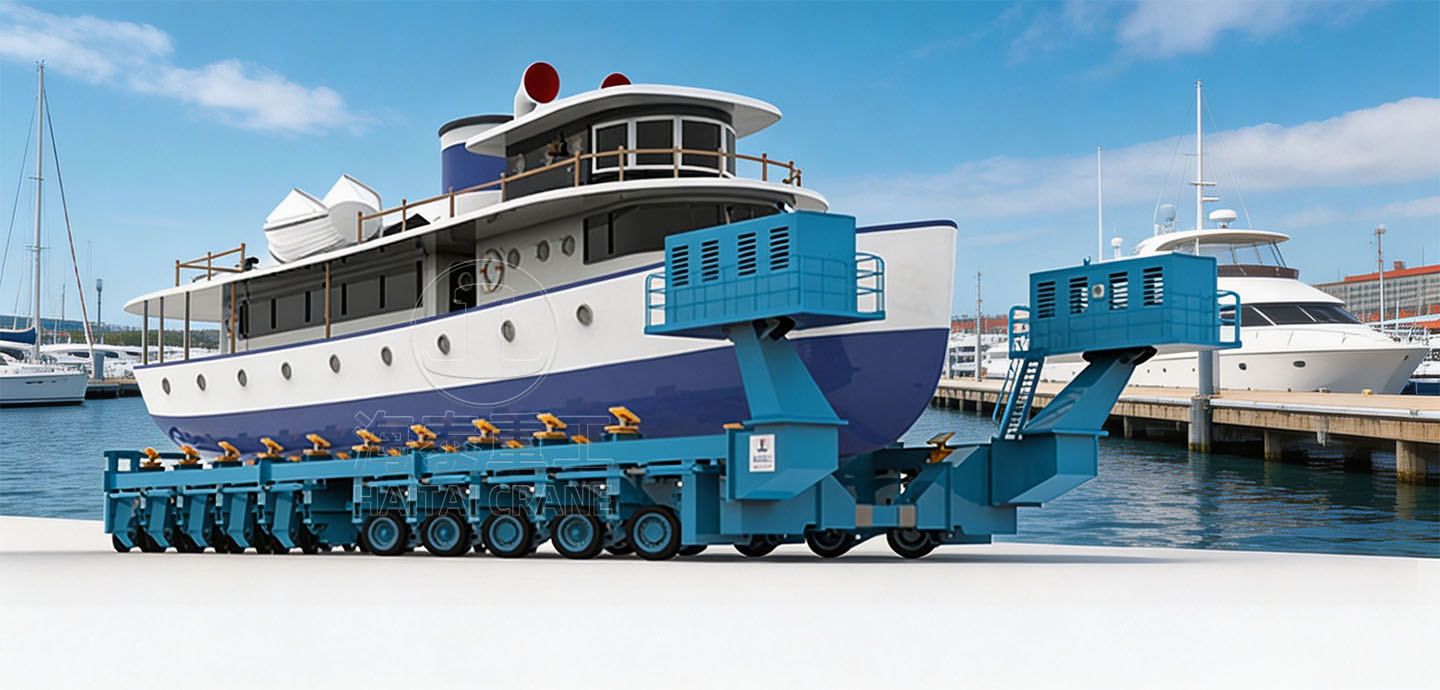
Container Straddle Carrier: The container straddle carrier is suitable for the stacking and handling of containers within the yard, featuring flexibility and the ability to move freely within the container yard.
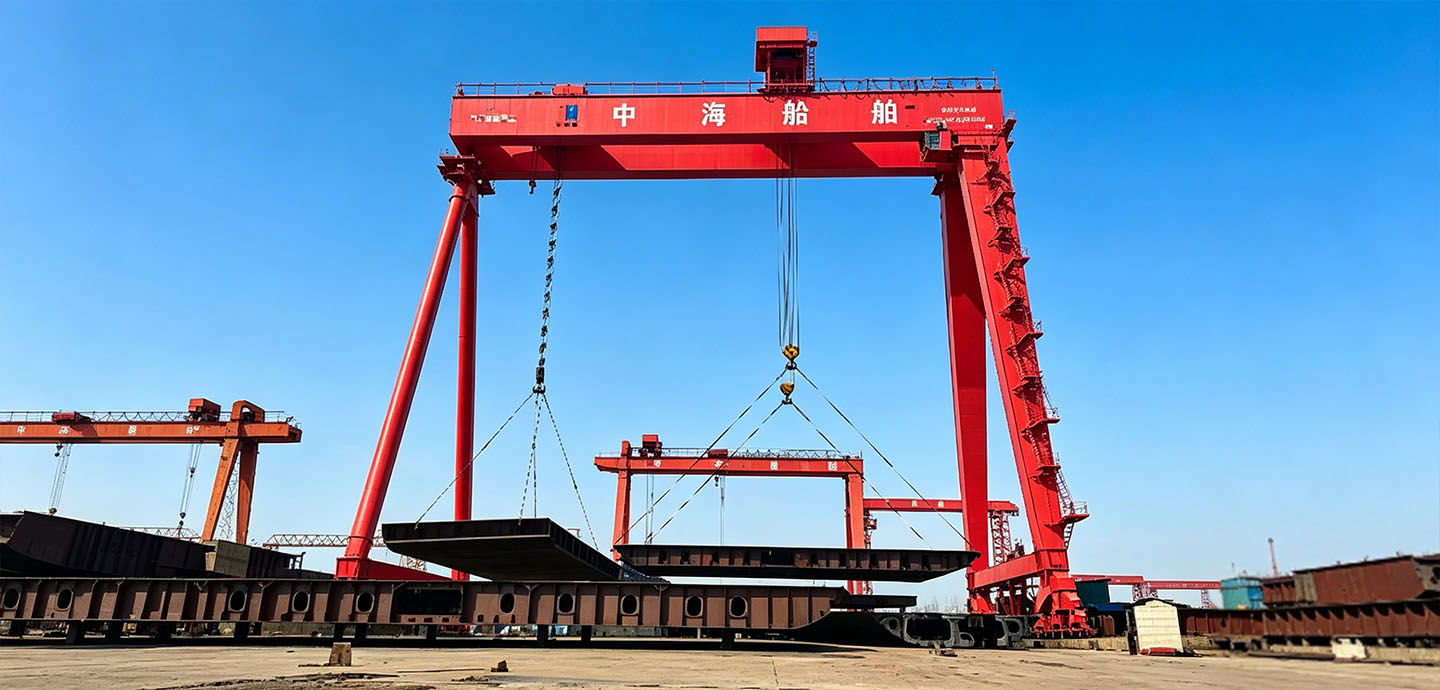
Rail Mounted Gantry Crane (RMG): It is suitable for ports with rail facilities and is ideal for handling containers within the yard, meeting the requirements of high-density stacking.
Consider the Type and Size of the Container
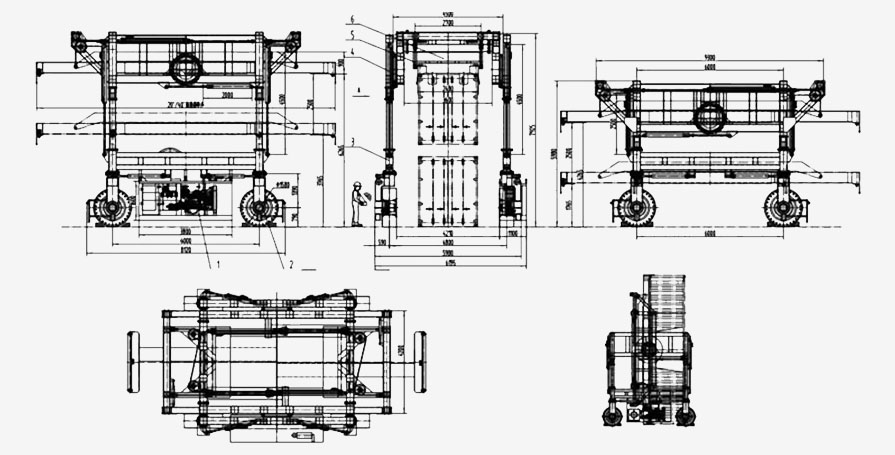
The size and weight of containers: Standard containers are usually 20 feet, 40 feet and 45 feet in length, and the weight of containers also varies. The crane needs to have sufficient lifting capacity to handle these weights and dimensions.
Super-large containers: For super-large containers (such as those that are high, wide or heavy), specially customized cranes may be required, which usually involve stronger lifting capacity and longer boom spans.
Consider the Technical and Operational Capabilities of the Crane
Lifting capacity: Ensure that the maximum lifting capacity of the selected crane meets the daily operation requirements. Lifting capacity is usually a key performance indicator.
Boom (extension range): The boom capacity of the crane determines whether it can cover larger vessels or more container storage areas.
Travelling speed and efficiency: For choosing cranes, travelling speed, lifting speed and cycle time are important considerations.
Consider the Maintenance and Upkeep of the Crane
Reliability and durability: Choosing well-known brands and high-quality crane usually ensures the long-term reliability of the equipment and lower maintenance costs.
Maintenance and spare parts supply: Choose brands that offer comprehensive after-sales service and spare parts supply, which can ensure the long-term stable operation of the equipment.
Daily Maintenance Cost: The daily maintenance cost of container straddle carrier will be affected by a variety of factors, including the model, frequency of use and working environment. Here are some common maintenance costs availability:
1.Regular Maintenance: include changing oil, filters, brake pads, etc., depending on the model and maintenance item.
2.Tire Replacement: The tires of container straddle carriers wear out faster, and the cost of tire replacement varies depending on the brand and specifications.
3.Hydraulic System Maintenance: The maintenance and repair of the hydraulic system is also necessary, and the cost varies according to the degree of failure and repair parts.
4.Electrical System Inspection: Electrical system inspection and maintenance should also be carried out regularly, the cost is relatively low, but if there is a failure, the repair cost may rise.
5.Other Consumables: including brake fluid, coolant, etc., regular replacement will also incur certain costs.
Ensure that the selected crane complies with international safety standards and regulations such as ISO and OSHA to guarantee operational safety.
Consider Environmental Protection Factors
Consider using equipment with high energy efficiency and low emissions, such as electrically driven cranes, especially in areas with high environmental protection requirements.
When choosing a crane, one should not only consider the initial purchase cost, but also the operating costs of the equipment (such as fuel, electricity, maintenance, operators, etc.) and the expected service life of the equipment.