Working Environment and Site Requirements
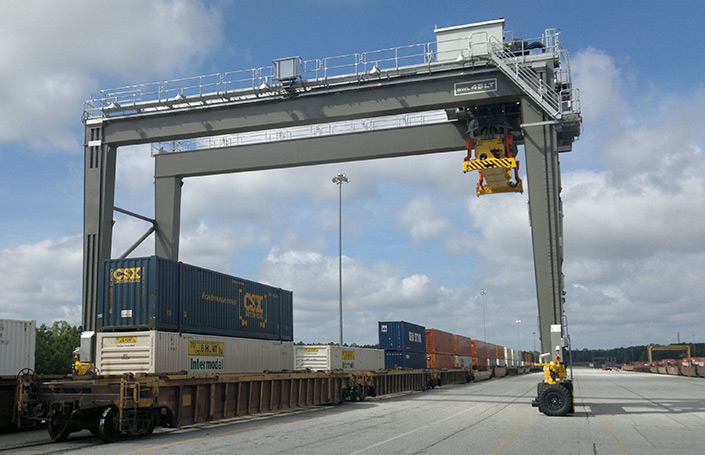
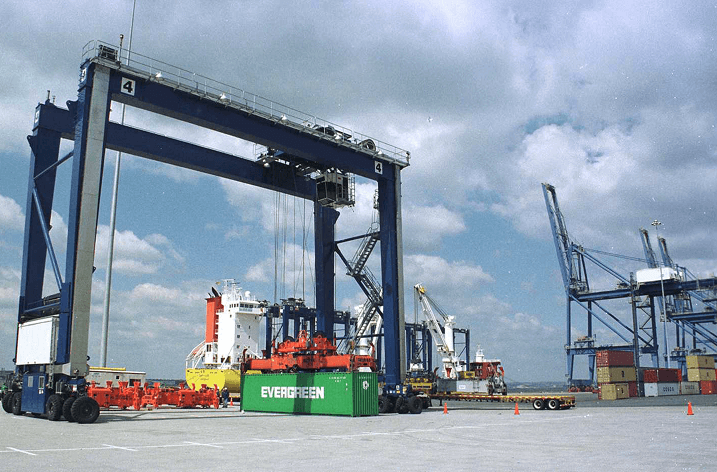
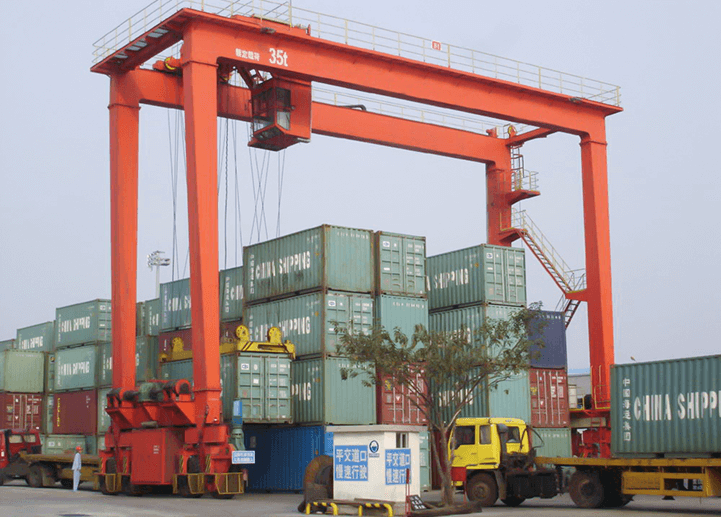
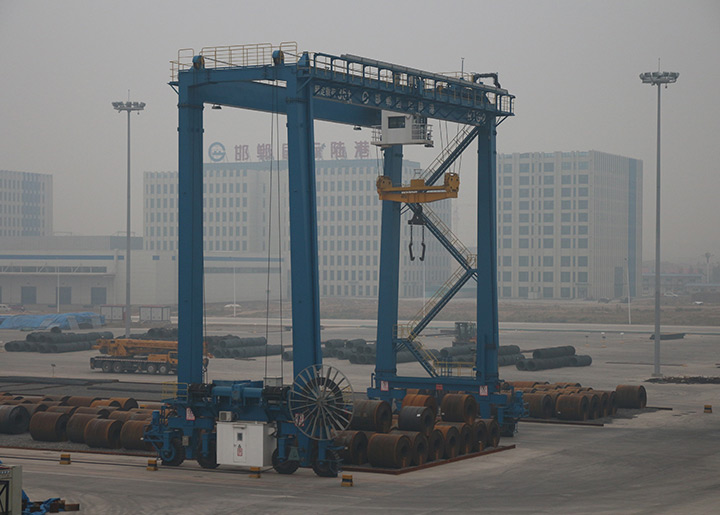
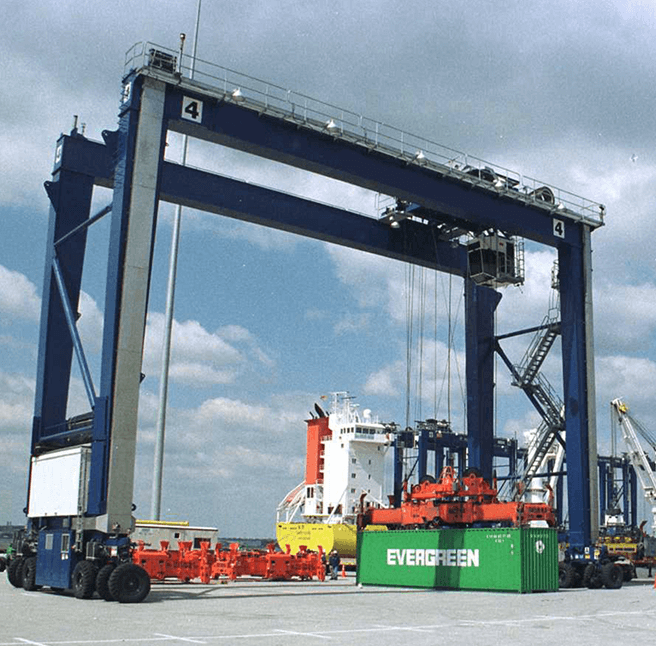
Ground Conditions: RTG cranes usually operate on sites such as storage yards, docks and warehouses. It is necessary to assess the ground conditions of the working environment, such as whether it is flat, whether special ground reinforcement is needed, or whether the ground is easily affected by rain and mud. If the ground is uneven, it may be necessary to choose a tire configuration with stronger passing ability and better adaptability.
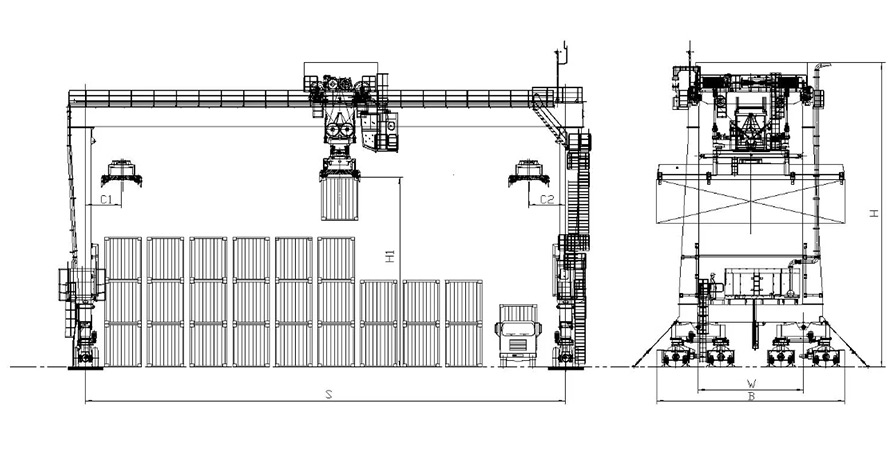
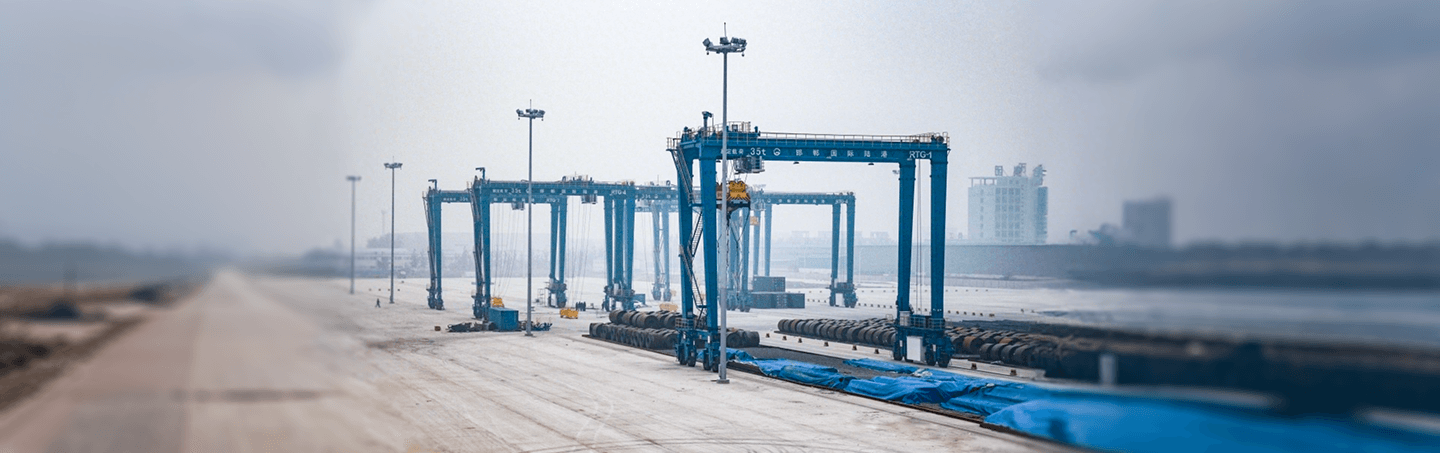
Space Limitation: If the working space is limited, the size and turning radius of the RTG Crane need to be considered. Generally, smaller RTG cranes are suitable for places with narrow Spaces, while large equipment is appropriate for wide storage yards.
Load Capacity and Lifting Height
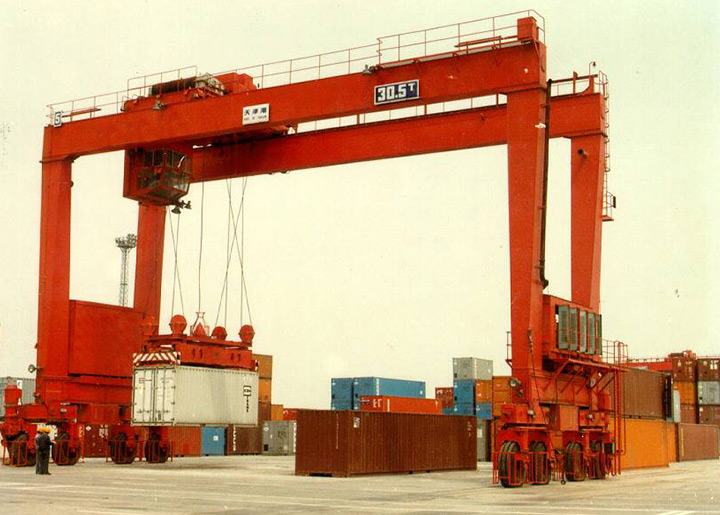
Load Capacity: Select an RTG Crane with an appropriate load capacity based on the maximum weight of the container or cargo to be transported. Typically, the maximum load capacity of an RTG Crane is 30 to 50 tons, but equipment with higher loads is also available for selection. Customers should select the appropriate load capacity based on their actual needs.
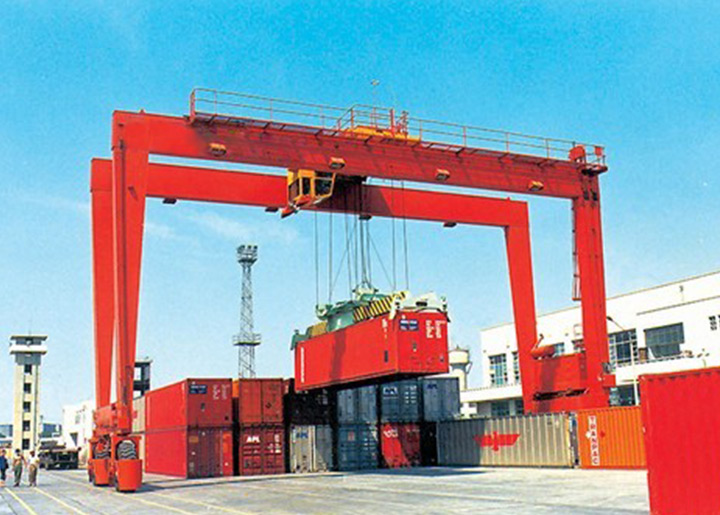
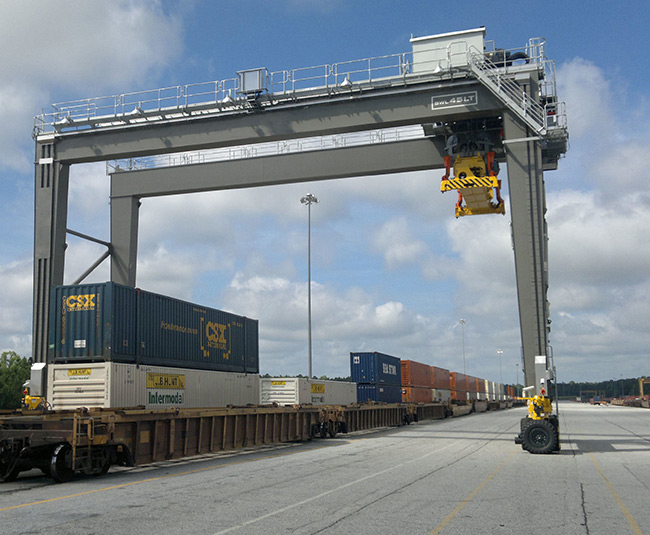
Lifting Height: The lifting height of an RTG Crane usually needs to be determined based on the height of the stacked goods. If more layers of containers need to be stacked, cranes with higher lifting capacity should be selected.
Lifting Speed and Travelling Speed
Lifting Speed: For operating environments that require rapid loading and unloading, such as high-traffic ports or logistics centers, lifting speed is an important consideration. You need to select an RTG Crane that can provide a higher lifting speed to enhance operational efficiency.
Travelling Speed: The travelling speed of the RTG Crane affects its operational efficiency in the storage yard or at the wharf. For high-density operation sites, choosing cranes with higher traveling speeds can help improve overall efficiency.
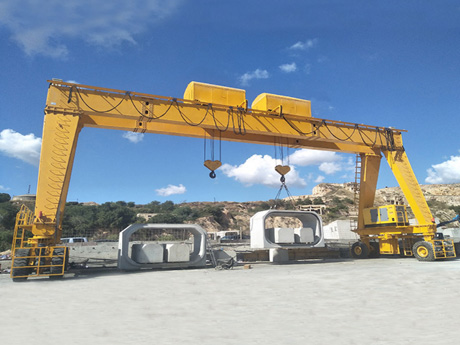
Span and Stacking Capacity: The span of an RTG Crane determines the area of the stacking yard it can cover. You need to select the appropriate span based on the width and height of the container stacking to ensure that the crane can cover the required operation range.
The Extension Length of the Crane Boom: For some special requirements (such as high stacking, etc.), you need to consider the extension length of the crane boom to ensure that it can operate at a relatively long distance.
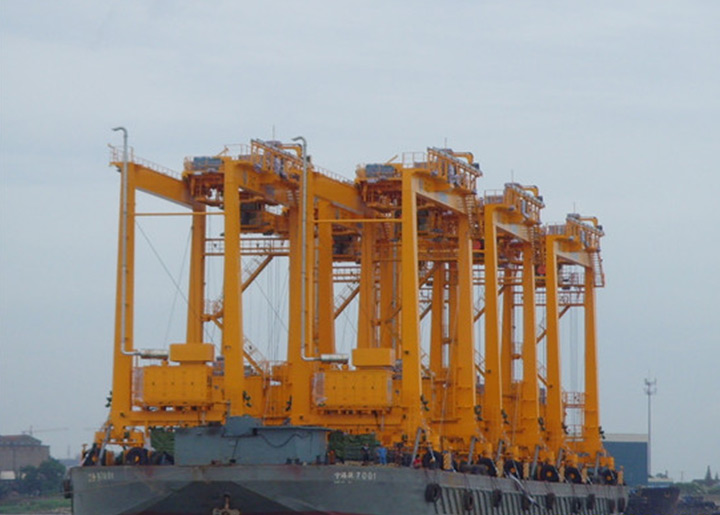
RTG cranes can be electrically driven (electric RTG) or diesel-driven (diesel RTG).
Electric RTG Cranes are suitable for areas with abundant power supply and a desire to reduce environmental impact, while Diesel RTG Cranes are appropriate for regions without stable power supply. You should select the appropriate drive mode based on the energy availability and environmental protection requirements of the usage location.
The RTG Crane should be equipped with various safety functions, such as overload protection, collision prevention systems, lifting limits, emergency stop devices, etc. These functions can ensure the safety of operators and equipment and reduce the occurrence of accidents.
When choosing RTG Crane, it is necessary to comprehensively consider the initial purchase cost of the equipment, the operation and maintenance cost, as well as the future depreciation and other expenses. Select the equipment model and specification reasonably based on the budget to ensure a balance between equipment performance and cost. In addition to the initial investment, customers should also pay attention to the long-term operating costs of the equipment, such as fuel, maintenance, personnel training and other expenses, and choose equipment with high cost performance.