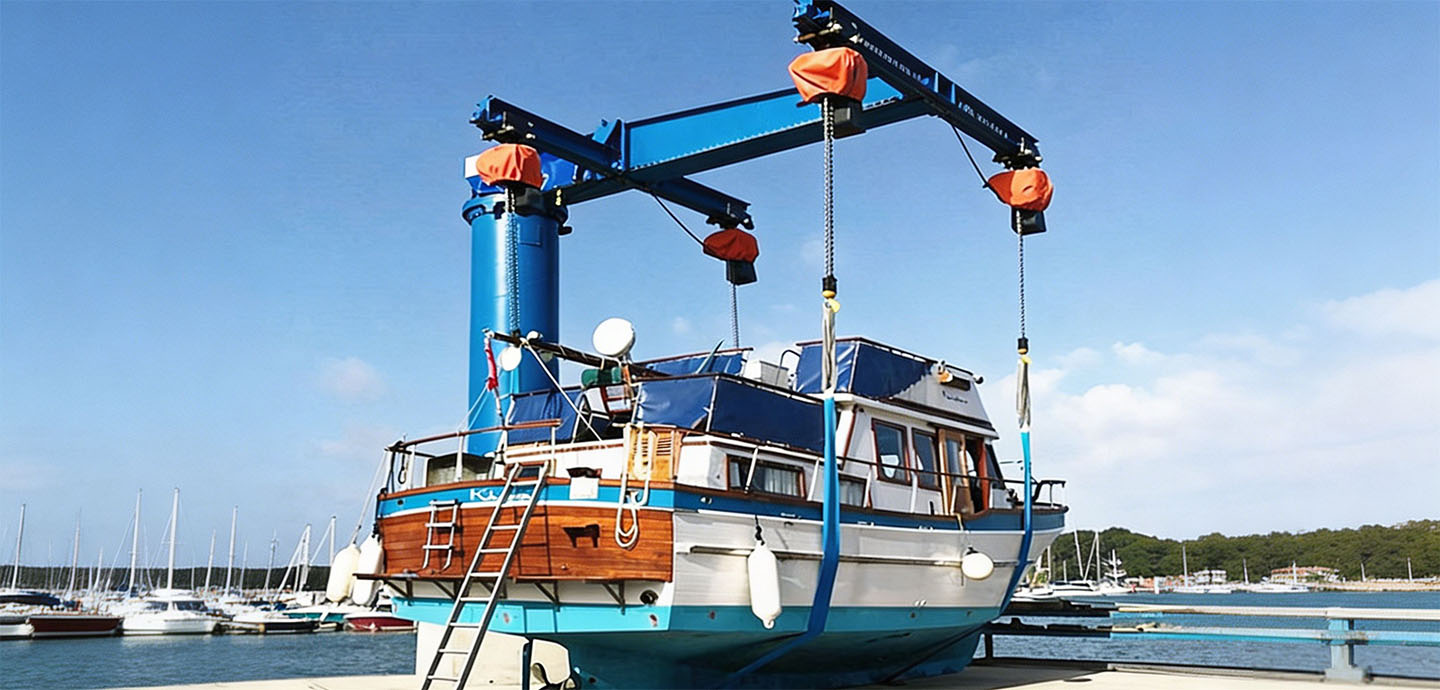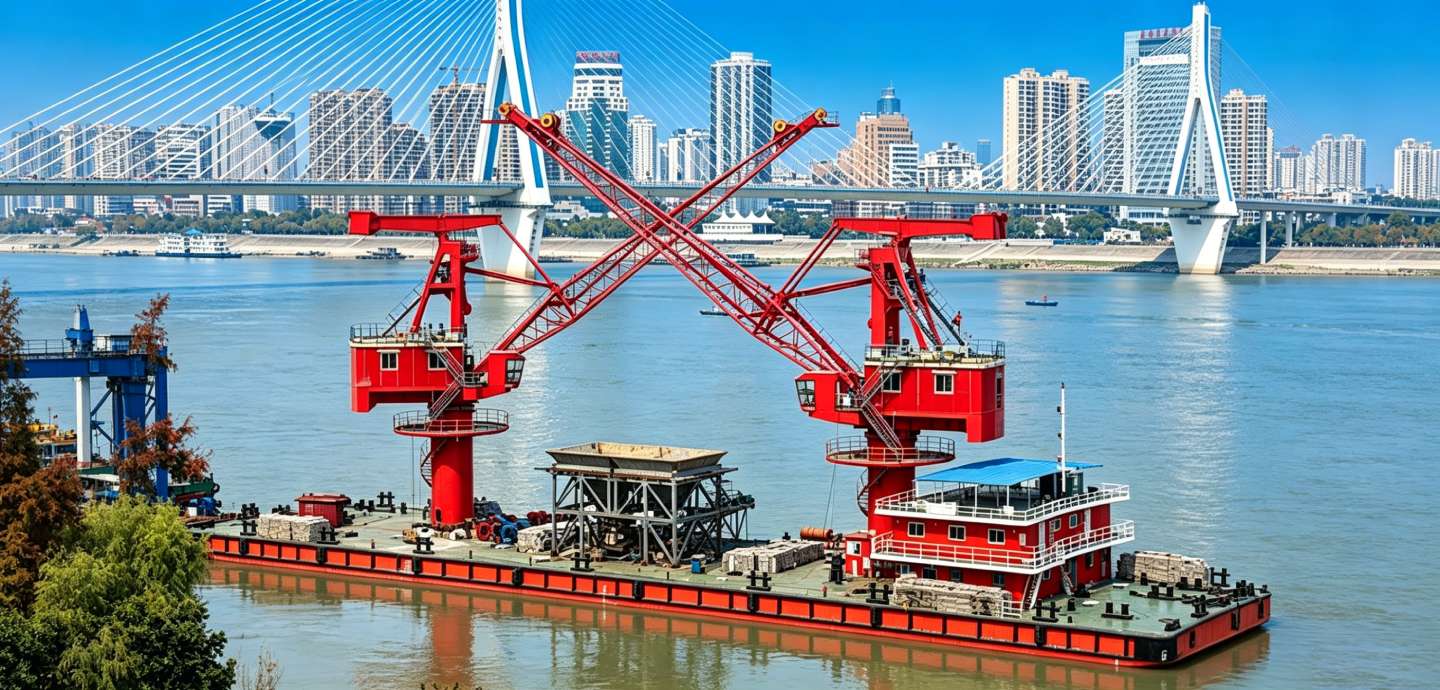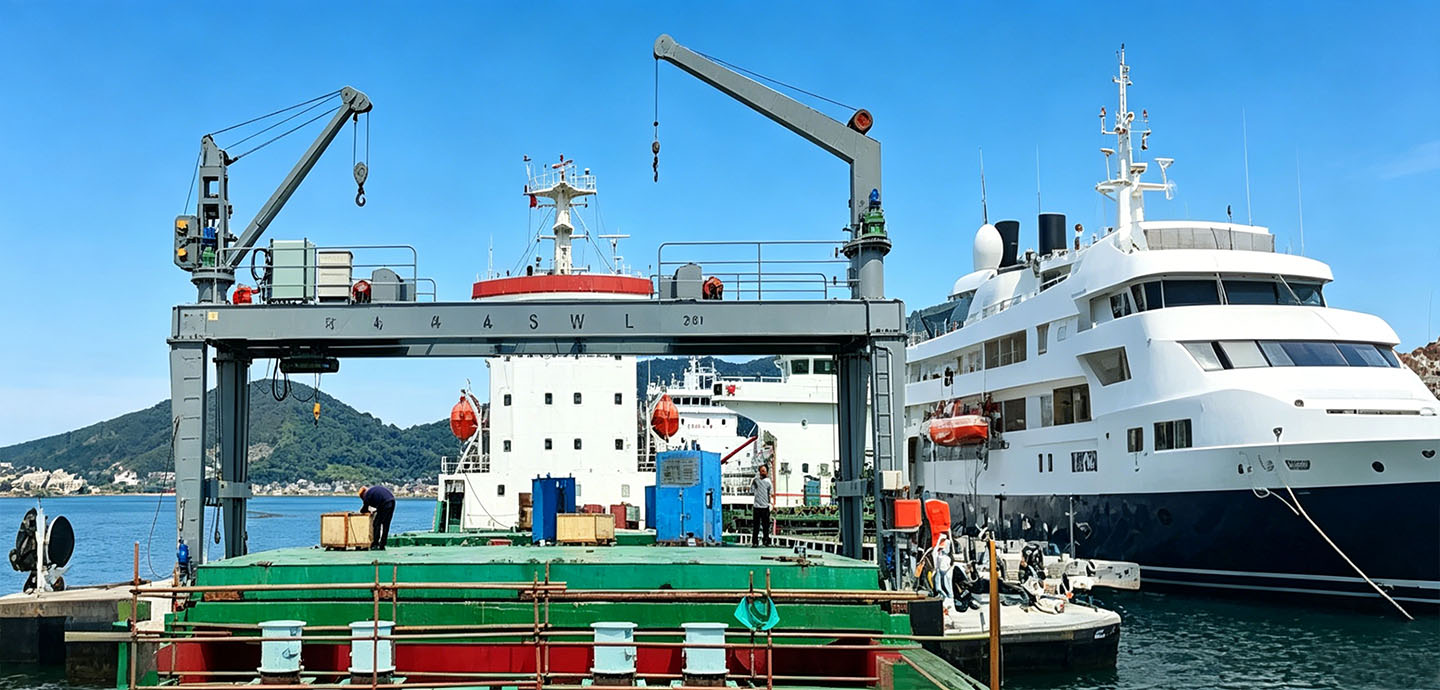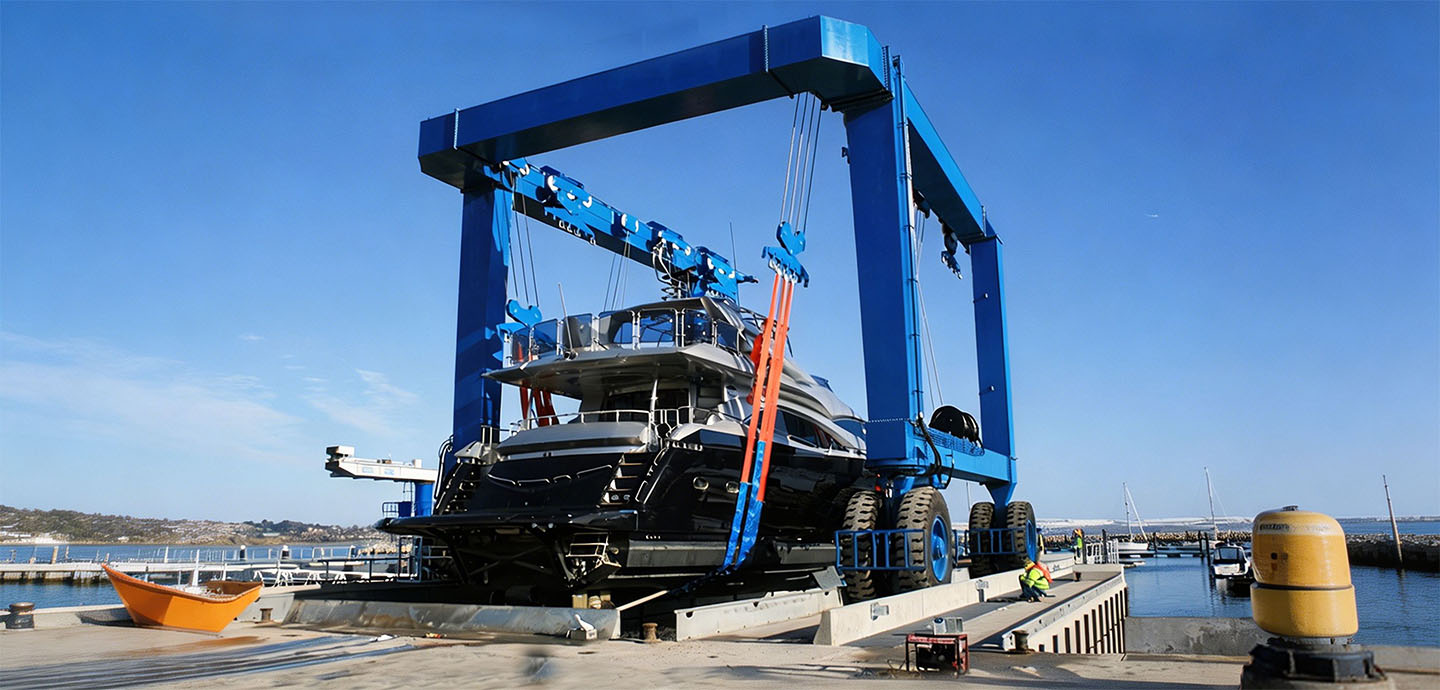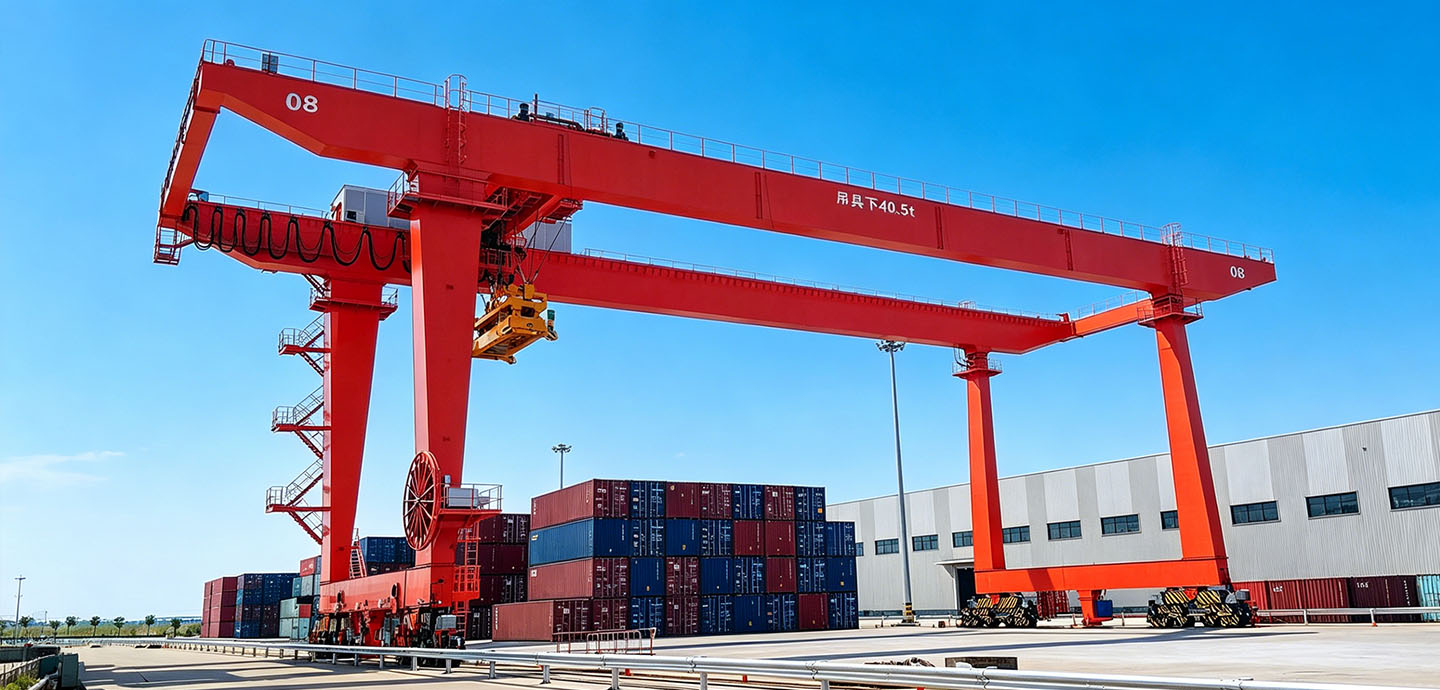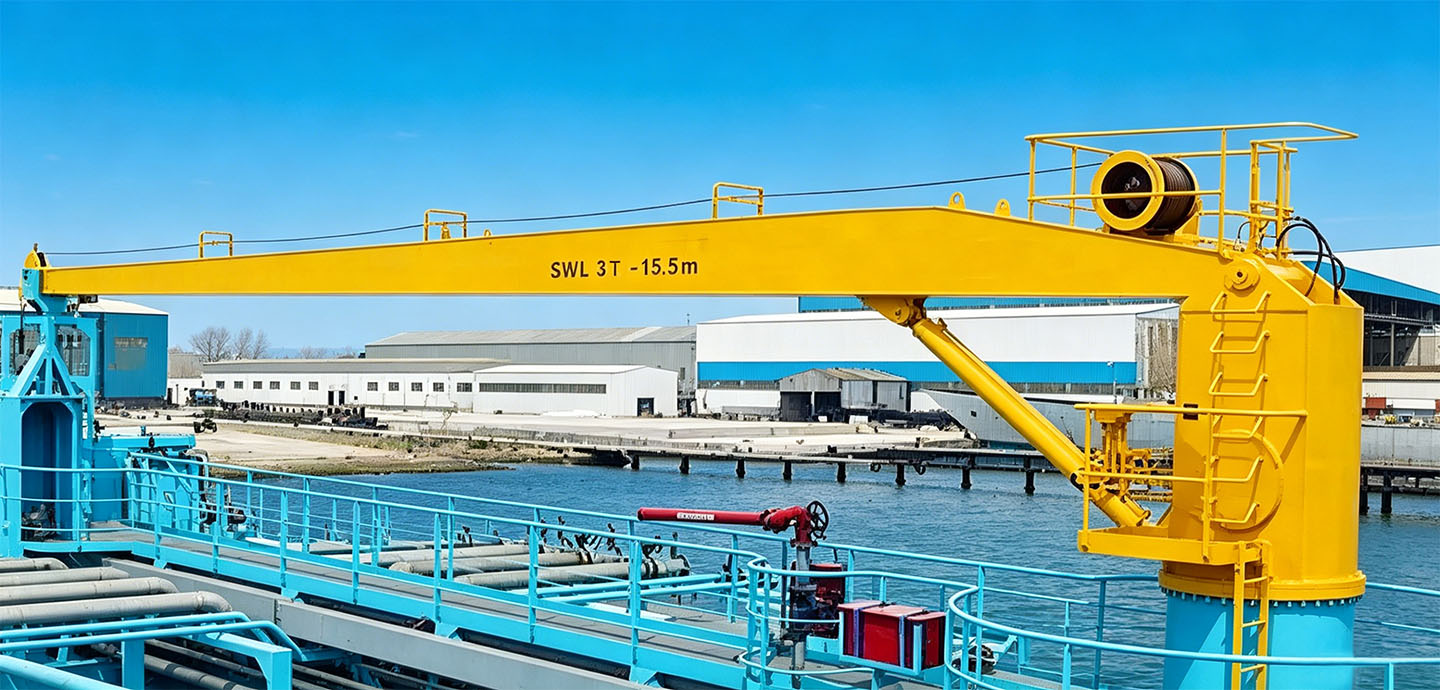
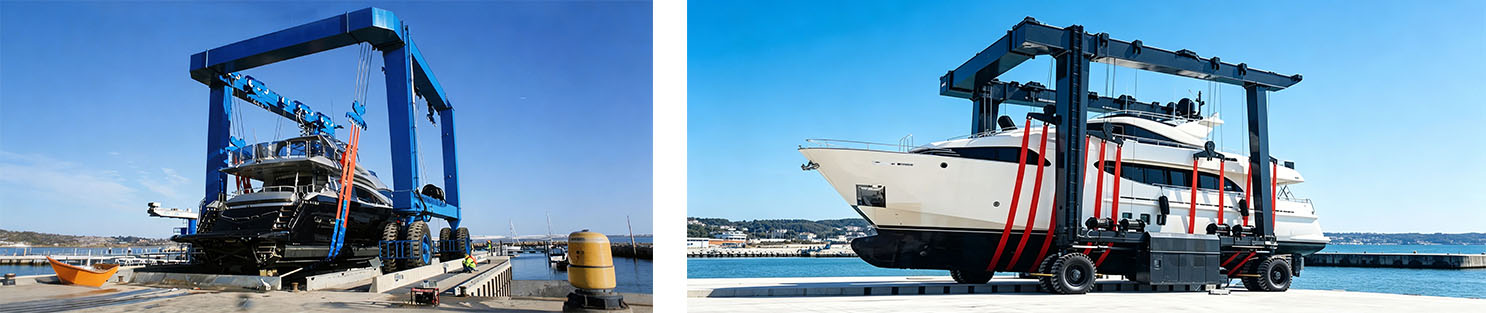
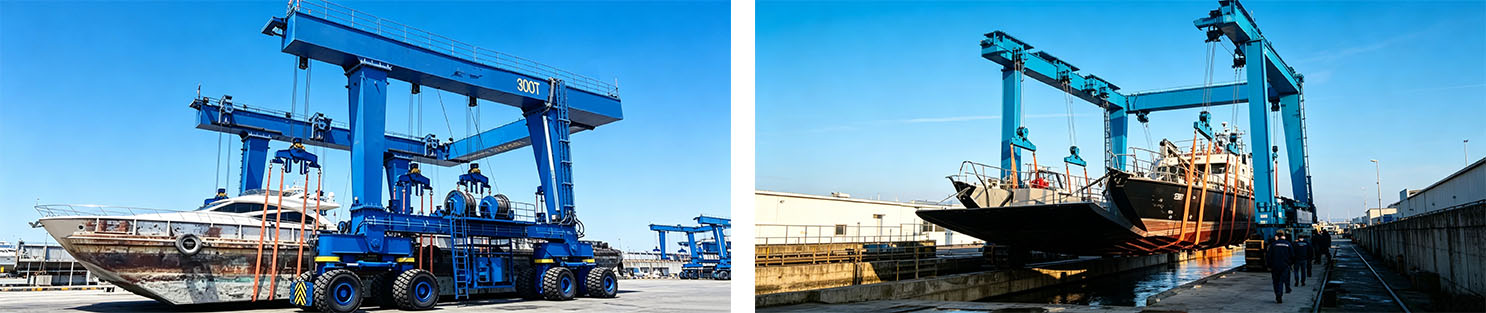
In shipbuilding, yacht marina, fishing port, and shipyard, you’ll often encounter a massive gantry-style structure known as a travel lift. Also called a boat hoist, boat lift crane, or yacht lift crane, it uses a sling system and hydraulic drive to lift vessels out of the water or safely lower them into it.
Selecting the right travel lift is not a simple task. Factors like tonnage capacity, span width, and power source determine whether a unit can meet a shipyard’s long-term operational needs. Improper equipment selection not only compromises vessel lifting safety but also increases operational costs. Therefore, choosing the correct travel lift effectively boosts dock and shipyard efficiency while reducing risks in vessel management.
The primary function of a travel lift is to safely transfer vessels between water and land. It securely lifts vessels using slings and transports them to designated areas via a wheeled system. This approach offers greater flexibility than traditional fixed cranes, as travel lift cranes can move freely around docks to accommodate vessels of varying sizes and structures.
At yacht marinas, travel lift cranes are commonly used for launching, hauling out, and servicing yachts. In fishing ports, they facilitate rapid maintenance of fishing vessels. At large shipyards, travel lifts handle the lifting of heavy-tonnage vessels. Compared to traditional lifting methods, travel lift cranes not only save significant manpower but also reduce risks during vessel handling operations.
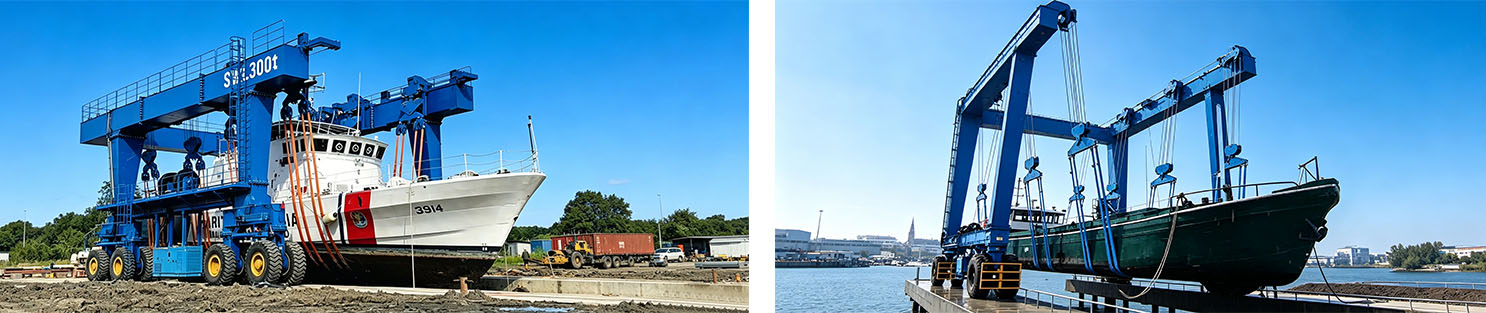
Different travel lift models cater to diverse vessel requirements. By lifting capacity, common variants include 100-ton, 200-ton, 500-ton, and even thousand-ton units. Small yachts typically utilize travel lift cranes under 100 tons, while large fishing vessels or cargo ships require heavy-duty models exceeding 500 tons.
Additionally, the structural span of a travel lift is critical. Compact models suit narrow docks, while large shipyards commonly employ wide-span, high-lift travel lift cranes.
Vessel type also influences travel lift selection. For instance, yachts typically require travel lift cranes equipped with flexible slings to prevent hull damage, whereas steel cargo ships demand higher durability and load-bearing capacity, necessitating more robust structural designs.
Before deciding to purchase or lease a travel lift, thoroughly assess your specific needs.
The vessel’s dimensions (length, width, height) and weight form the “fundamental basis” for selection, directly determining the travel lift crane’s maximum lifting capacity and span. When evaluating, focus not only on current vessels but also anticipate business expansion needs over the next 3-5 years to avoid equipment becoming obsolete shortly after deployment.
Usage frequency directly impacts “performance requirements” and “cost investment”, with distinct equipment selection strategies corresponding to different usage patterns:
The spatial constraints, natural conditions, and ground conditions of the operational environment directly impact the travel lift crane’s mobility, stability, and durability, making them critical factors that cannot be overlooked during selection:
Several key parameters require special attention during selection:
Modern travel lift cranes have evolved beyond simple “lift and lower” machinery, increasingly incorporating intelligent capabilities.
Remote and automated controls allow operators to manage equipment from safer positions, reducing accident risks.
Adjustable sling systems adapt to various vessel types, with flexible sling adjustments being critical for yachts with delicate hulls.
Eco-friendly power sources represent a growing trend. Electric travel lift cranes operate quietly while reducing long-term energy costs.
Additionally, some high-end travel lift cranes feature anti-corrosion coatings, ensuring durability in high-salt-spray coastal environments.
Brand Reputation: Prioritize brands with over 10 years of experience in the industry. These brands typically have mature production processes and quality control systems (e.g., ISO 9001 quality management system certification and ISO 14001 environmental management system certification). Internationally renowned brands offer advantages in technology development and consistent quality, but are more expensive. Domestic brands offer competitive value and localized service, making them suitable for users with limited budgets or who demand fast service response times.
Industry Experience: Focus on whether the manufacturer has case studies that suit your specific needs. For example, if purchasing equipment for a yacht marina, prioritize manufacturers with multiple high-end yacht club partnerships. If purchasing equipment for a fishing port, choose a brand with established experience in these areas. Case studies and customer reviews can be obtained from the manufacturer’s official website, industry exhibitions, or through word-of-mouth surveys.
Technological Innovation: Look for patents for core technologies (e.g., omnidirectional steering and energy recovery) and whether the manufacturer is keeping up with industry trends (e.g., electrification and intelligent technology). For example, manufacturers that independently develop electric travel lift motors and control systems can better ensure compatibility and future upgrade capabilities than those that rely on outsourced components.
Customization Capabilities: If the vessels being serviced have special requirements (such as ultra-wide catamarans or heavy engineering vessels), confirm whether the manufacturer supports customized designs. For example, a shipyard may need to lift a 35-meter-wide catamaran, but conventional equipment cannot accommodate this span. In this case, the manufacturer may need to customize a 40-meter-span gantry structure with reinforced load-bearing beams and a sling system. Customization capabilities can be assessed by reviewing the manufacturer’s past customization cases and details of the technical solutions communicated (such as whether detailed structural mechanics calculation reports are provided).
Response Speed: Equipment failures can cause port or shipyard downtime, making after-sales service response speed crucial. Confirm the manufacturer’s after-sales service network coverage (e.g., whether it has more than five service centers nationwide) and emergency repair response time (e.g., whether it promises a 24-hour on-site arrival). For example, users in coastal areas may prefer manufacturers with service locations near major coastal ports to avoid repair delays due to long distances.
Maintenance and Training: Inquire whether the manufacturer provides regular maintenance services (e.g., quarterly on-site inspections of the hydraulic system and annual comprehensive maintenance), whether it maintains a spare parts inventory (e.g., stocking common spare parts such as slings and hydraulic filters in a local warehouse), and whether it provides comprehensive operator training (covering equipment operation, routine maintenance, and emergency response). For example, a manufacturer that offers a week-long on-site training and issues an operator certificate can significantly reduce equipment failures due to improper operation.
Spare Parts Supply: Confirm spare parts procurement channels, prices, and delivery times. Prioritize manufacturers with a wide range of spare parts and a stable supply to avoid equipment being left unrepaired due to spare part discontinuation. For example, if the manufacturer uses a universal hydraulic pump brand (such as Bosch Rexroth), there are more options for future spare part replacements and more transparent costs. However, if using niche brands or proprietary parts, confirm the manufacturer’s commitment to long-term supply (e.g., at least 10 years) and that the spare parts are reasonably priced (e.g., the cost of replacing a single sling should not exceed 5% of the total equipment price).
Maintenance Costs: Analyze the equipment’s average annual maintenance costs from past customers (typically 2%-5% of the purchase price) to avoid choosing equipment that is “cheap to purchase but expensive to maintain.” For example, if the average annual maintenance cost of a diesel travel lift accounts for 8% of the purchase price, its long-term operating costs may be higher than those of an electric model with a slightly higher purchase price but only 3% maintenance costs.
Purchasing a travel lift is a significant investment, typically ranging from hundreds of thousands to millions of dollars. In addition to the initial purchase cost, you also need to consider ongoing maintenance costs, energy consumption, and operator training costs.
However, the right travel lift can significantly improve operational efficiency. For example, a large travel lift capable of rapid lifting can significantly shorten ship maintenance time and reduce dock waiting costs, thereby generating long-term economic benefits.
Therefore, when selecting a travel lift, one should not only consider price but also comprehensively consider its lifecycle cost and return on investment.
As large-scale lifting equipment, travel lift cranes must strictly adhere to international safety standards. For example, equipment typically requires ISO or CE certification to ensure that its design and manufacturing comply with international regulations.
During operation, travel lift cranes must incorporate safety features such as anti-capsulation and anti-overload features. Operators should also receive regular training to ensure safe operation in various situations. Regular maintenance and inspections are also crucial to ensuring safety, such as checking the wear of the slings and the functioning of the hydraulic system.
With the development of green ports and smart shipyards, the development trends of travel lift cranes are also evolving.
First, electrification. In the future, electric travel lift cranes will become mainstream, reducing emissions and noise.
Second, intelligence. Remote monitoring, automated driving, and fault warning systems will improve the safety and efficiency of equipment.
Third, customization. Manufacturers offer customized travel lift solutions for specialized vessel types, such as catamarans or ultra-large cargo ships.
These trends not only enhance the user experience of travel lift cranes but also bring greater economic benefits to ports and shipyards.
Choosing the right travel lift isn’t a one-shot process; it’s a systematic decision.
First, you need to clearly define your needs, including the vessel’s weight, size, and operating environment. Second, you need to thoroughly understand the core specifications and different types of travel lift cranes to ensure the equipment meets your specific needs. Furthermore, choosing a reputable manufacturer ensures not only reliable quality equipment but also long-term technical support. Finally, consider cost, safety, and future trends to maximize the return on investment.
The right travel lift not only improves operational efficiency at ports and shipyards but also significantly reduces operational risk. For shipping companies seeking long-term, stable development, this is a critical investment that deserves careful consideration.